Ferragosto in Positano: August 15 Holiday Guide
Planning to be in Positano on August 15? You picked Ferragosto—Italy's biggest summer holiday. This national celebration combines religious tradition (Assumption of Mary) with beach parties, fireworks, and family gatherings. For hostel guests, Ferragosto means packed beaches, altered transport schedules, and a festive but hectic atmosphere. This guide helps you navigate the day and enjoy the celebration.
Ferragosto in Positano is special. The whole town comes alive. Locals who moved away return for the holiday. Restaurants throw beach parties. Fireworks light up the bay at midnight. The beach is shoulder-to-shoulder. If you enjoy big crowds and festive energy, you will love it. If you prefer quiet Positano, maybe skip town for the day. Either way, plan ahead—nothing runs on normal schedules on Ferragosto.
What is Ferragosto?
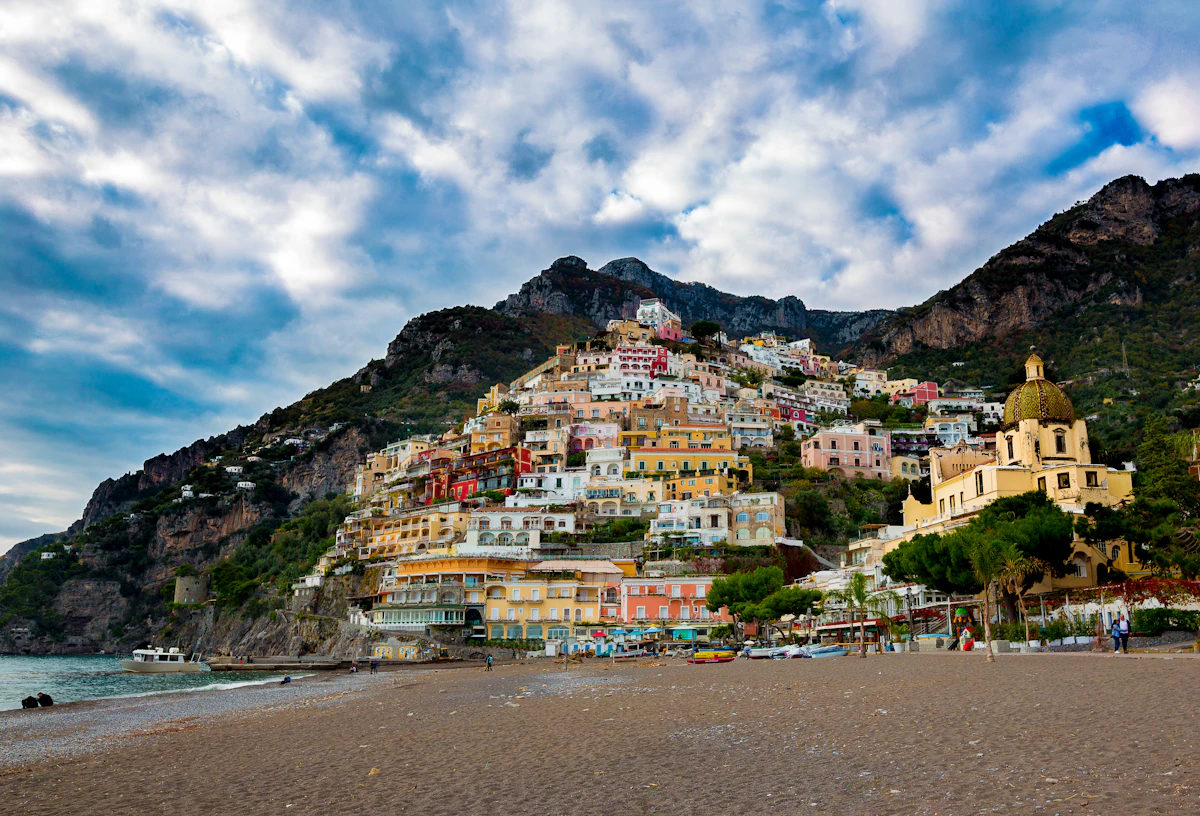
Crowded beach in Positano during Ferragosto celebration
Ferragosto (August 15) is Italy's most important summer holiday. The name comes from the Latin \"Feriae Augusti\" (festivals of the Emperor Augustus), a harvest festival established in 18 BCE. The Roman Catholic Church later merged this pagan festival with the Feast of the Assumption of Mary, creating a religious-cultural hybrid that Italians celebrate nationwide.
Traditionally, Ferragosto marks the peak of summer. Work stops. Factories close. Families gather at the beach or in the mountains. It is Italy's unofficial summer vacation start date—many Italians take two weeks off starting August 15. For coastal towns like Positano, Ferragosto means the busiest day of the year. Italian families from Naples, Rome, and northern cities descend on the Amalfi Coast. Hotels, beaches, restaurants, and transport hit maximum capacity.
In Positano, Ferragosto has a specific character. The morning features a religious procession and Mass honoring the Assumption of Mary. The afternoon is all beach—swimming, eating, drinking, music, dancing. The evening builds to midnight fireworks launched from boats in the bay. The whole town watches from the beach, terraces, and hillsides. After the fireworks, beach parties continue past 01:00. Ferragosto is not subtle—if you are in Positano on August 15, you are part of the celebration whether you planned it or not.
What to expect on Ferragosto day
Midnight fireworks over Positano bay during Ferragosto
Ferragosto day in Positano is controlled chaos. Start with realistic expectations. The beach (Spiaggia Grande) reaches capacity by 09:00–09:30. Every square meter is occupied—towels touching, umbrellas edge-to-edge. If you want beach space, arrive by 08:00. Lido sunbeds sell out early and cost peak rates (€30–€50 for two chairs plus umbrella). The public beach sections are free but packed. Bring your own umbrella if you want shade—no space to rent one by mid-morning.
Music amplifies everything. Beach clubs and restaurants set up sound systems along the shore. Expect Italian pop, dance music, and live performances starting around 11:00 and building through the afternoon. Volume is loud—this is a party atmosphere, not relaxing beach day. If you prefer quiet, Fornillo Beach (the next beach west) is slightly less crowded but still busy.
Swimming conditions are tricky. Lifeguards are on duty, but with hundreds of swimmers in the water simultaneously, their ability to monitor everyone is limited. Stick to shallow areas if you are not a confident swimmer. Avoid going deep when the beach is this crowded—currents become harder to judge with so many people churning the water. Swim early (before 10:00) or late (after 18:00) when fewer people are in the water.
Shops and services operate on reduced schedules or close entirely. Many small groceries, pharmacies, and shops shut down for the day—owners celebrate with their families. Supermarkets might open for a short morning window (08:00–12:00) then close. Restaurants stay open but are fully booked. If you need groceries, water, snacks, or any supplies, buy them the evening of August 14. Do not count on finding what you need on Ferragosto morning.
Religious processions and Mass
The religious side of Ferragosto centers on the Church of Santa Maria Assunta (the main church with the green dome). A solemn Mass celebrates the Assumption of Mary, usually starting at 10:00 or 11:00 (check posted times or ask hostel staff). The church fills with locals and visitors. Dress respectfully—shoulders and knees covered, no beachwear. The service lasts 45–60 minutes and includes hymns, prayers, and readings.
After Mass, a procession might carry a statue of the Madonna through the streets. This tradition varies year to year depending on local organization and weather. If it happens, expect narrow streets near the church to be crowded. The procession is brief (15–20 minutes) and ends back at the church. Participation is mostly locals, but visitors are welcome to watch. Bring small change (€1–€2 coins) if you want to light a candle or make a donation.
The religious component is quieter and more traditional than the beach party atmosphere that dominates the afternoon. If you want to experience Ferragosto's cultural roots, attend the Mass or procession. It provides context for why Ferragosto matters beyond the fireworks and beach crowds.
Food traditions and dining
Traditional Ferragosto feast with pasta and seafood
Ferragosto meals are a big deal in Italy. Traditionally, families gather for long lunches featuring seafood, pasta, grilled meats, and seasonal vegetables. In Positano, restaurants offer special Ferragosto menus—multi-course feasts with fixed prices (€50–€100 per person). These meals are celebratory and generous. Expect antipasti (appetizers), primi (pasta or risotto), secondi (fish or meat), contorni (vegetables), dolci (desserts), wine, and coffee.
Reservations are essential. Restaurants book weeks in advance for Ferragosto. If you want to dine out, reserve by early August at the latest. Many restaurants require prepayment or credit card guarantees for holiday service. Walk-ins will struggle to find tables, especially for lunch (13:00–15:00) and dinner (20:00–22:00). If you miss reservations, your options are limited to takeout pizza or eating groceries at the hostel.
Traditional Ferragosto foods include pasta with seafood (spaghetti alle vongole, scialatielli ai frutti di mare), grilled fish, watermelon (signature Ferragosto fruit, served ice-cold for dessert), and local wine. Some families picnic on the beach with packed meals—cold pasta salads, roasted vegetables, cured meats, cheese, bread, fruit. This is legal and common. If you go the picnic route, bring a blanket, cooler with ice, and reusable utensils. Pack out all trash—beaches get messy on Ferragosto, but leaving litter is disrespectful.
For hostel guests on a budget, consider cheap eats or self-catering. Buy supplies on August 14: bread, cheese, salami, tomatoes, olives, fruit. Make sandwiches and bring them to the beach. You will save €40–€60 compared to restaurant meals. The hostel common area has a small kitchen—you could also cook a simple pasta dinner and eat on the terrace while watching fireworks.
Fireworks and late-night festivities
The fireworks are Ferragosto's main event. Launched from boats anchored in the bay, the show starts at midnight and lasts 15–20 minutes. The entire town gathers to watch—beaches, terraces, hillsides, rooftops. The display is impressive—professional pyrotechnics, synchronized to music, filling the sky over the water. Colors reflect off the sea. Sound echoes off the cliffs. It is genuinely spectacular.
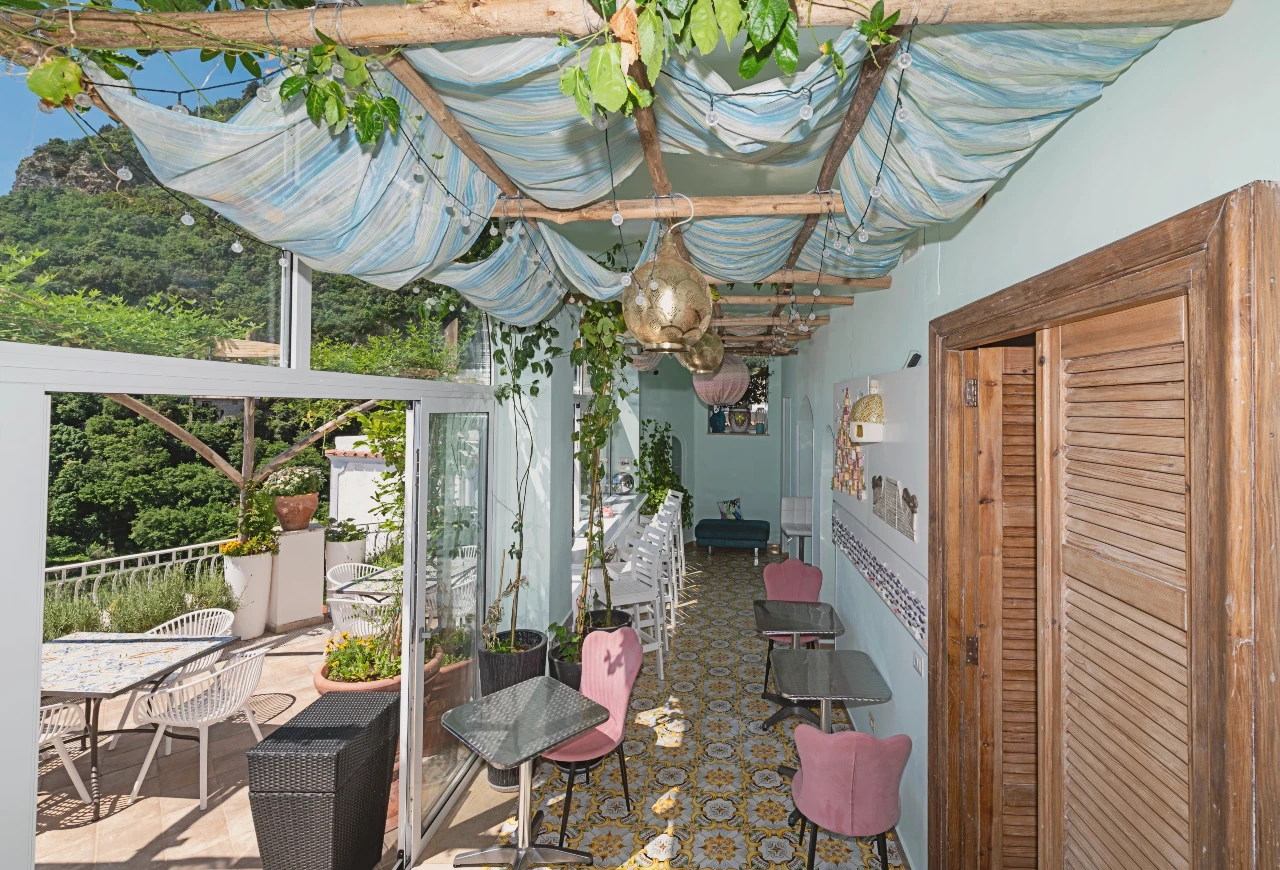
Hostel Brikette's terrace has a clear sightline over the bay. You can watch from there without fighting beach crowds. Arrive by 23:30 to claim space. Bring a light jacket or sweater—the sea breeze picks up after dark and temperatures drop 5–8°C from afternoon heat. You might want a blanket to sit on and a bottle of wine or prosecco to share with fellow guests. The hostel atmosphere on Ferragosto night is festive—everyone watches together.
After fireworks, the party continues. Beach clubs and restaurants keep music loud. Dancing on the beach is common. Bars serve drinks until 02:00 or later. If you want to join the celebration, head down to Spiaggia Grande after the fireworks. If you want to sleep, pack earplugs. Noise from the beach carries up the hill—you will hear music, cheering, and voices until well past 01:00. Rooms facing the sea get the most noise. Earplugs or noise-canceling headphones help.
Safety note: Ferragosto night gets crowded and chaotic. Keep valuables secure. Watch your drink in crowded bars. Walk back to the hostel in groups if possible, especially late at night when visibility is poor and stairs are busy with tipsy revelers. The stairs from the beach to Chiesa Nuova are steep and uneven—take your time climbing. Staff can recommend safer routes if you are concerned.
Transport and getting around
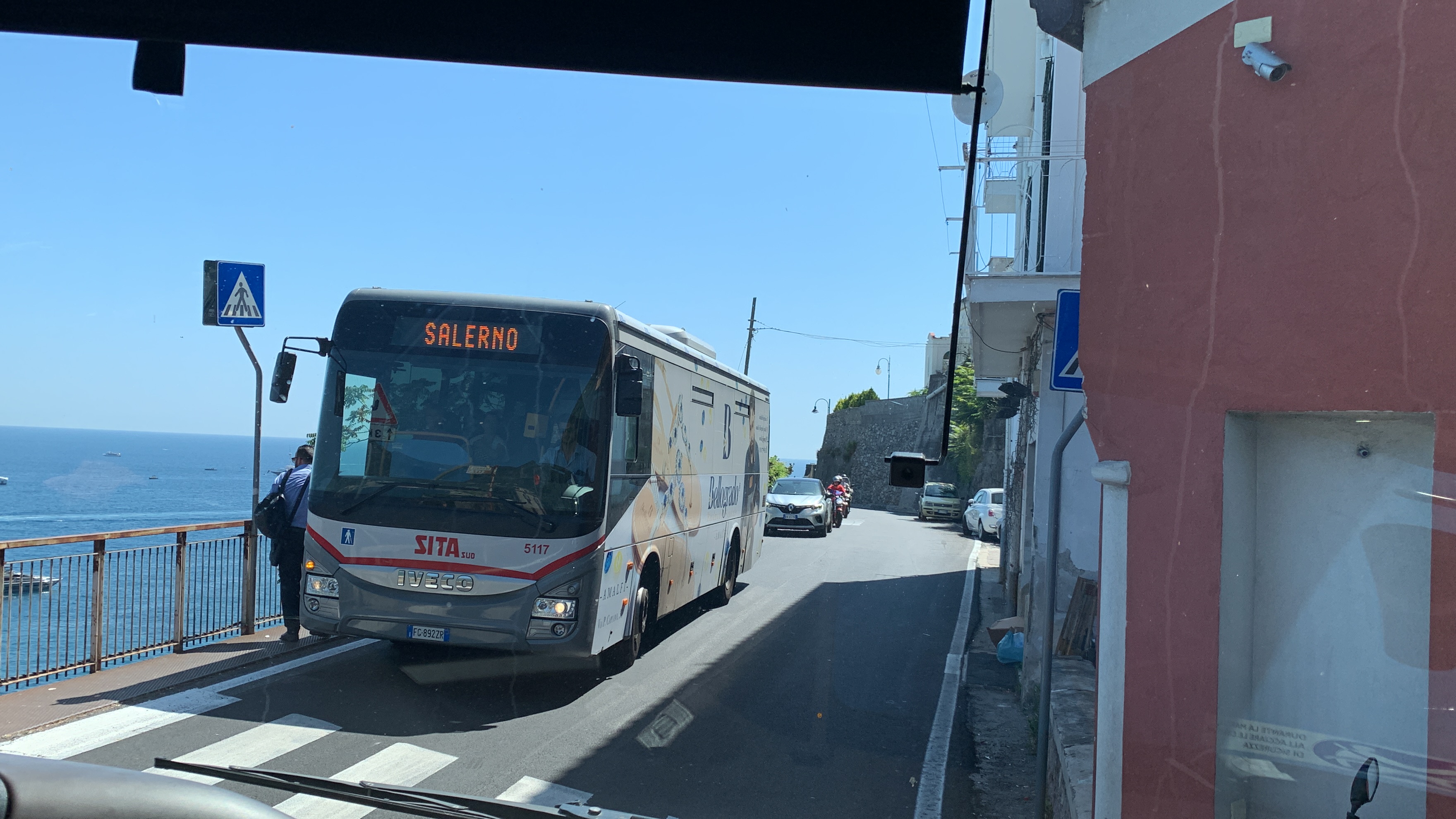
Transport on Ferragosto runs on holiday schedules with reduced service. SITA buses (the main public transport along the Amalfi Coast) operate fewer runs. Check the posted timetable at bus stops or ask at the hostel reception—staff have current schedules. Expect longer waits between buses (30–45 minutes instead of the usual 20–30) and full buses. Queues form early. If you need to catch a bus on Ferragosto, arrive at the stop 15–20 minutes before the scheduled time to secure a spot.
Ferries also run limited schedules. Some routes operate normally; others have fewer departures. If you booked a day trip (Capri) or excursion departing August 15, confirm departure times 24–48 hours in advance. Buy round-trip ferry tickets the day before if possible—ticket booths get overwhelmed on Ferragosto morning. Rough seas can cancel ferries entirely (August weather is usually calm, but not guaranteed). Have a bus backup plan.
Taxis and private drivers charge peak rates on Ferragosto. Expect prices 20–30% higher than normal. Availability is limited—most drivers are booked for family celebrations or taking the day off. If you need a taxi on August 15, book days ahead. The hostel can help arrange this.
Porter services (luggage carriers who help with bags on the steep stairs) operate reduced schedules. If you arrive or depart on Ferragosto with heavy luggage, confirm porter availability 24–48 hours ahead. Some teams take the day off entirely. Be prepared to carry your own bags if porters are unavailable. The stairs from the bus stop to the hostel are manageable with a backpack but tough with a wheeled suitcase.
Alternatives to staying in Positano
If Ferragosto crowds do not appeal to you, consider leaving Positano for the day. Take the ferry or bus to Amalfi (less crowded than Positano) or Ravello (mountain town, much quieter). Both have Ferragosto celebrations but with smaller crowds and more manageable atmosphere. You can return to Positano in the evening to watch fireworks from the hostel terrace.
Alternatively, hike. The Path of the Gods trail is open and relatively empty on Ferragosto—most people are at the beach, not hiking mountains. Start early (07:00) to avoid midday heat. Bring plenty of water and sun protection. You will have the trail largely to yourself. Return to the hostel by evening for fireworks.
Some guests leave Positano entirely for Ferragosto weekend. If you have flexibility, consider spending August 14–16 in Naples, Sorrento, or Salerno. Return to Positano after the holiday when crowds disperse and the town returns to normal rhythm. Ferragosto is peak madness—it is okay to skip it if that is not your travel style.
Practical tips for hostel guests
- Buy groceries, water, snacks, and any supplies on August 14—shops close or run limited hours on Ferragosto.
- Reserve restaurants at least one week ahead if you want to dine out on August 15.
- Arrive at the beach by 08:00 if you want space. After 09:30, Spiaggia Grande is completely packed.
- Pack earplugs if your room faces the beach—fireworks and post-show music run past 01:00.
- Bring small cash (€1–€2 coins) for church donation boxes if you attend the Assumption Mass.
- Confirm bus and ferry schedules on August 14—Ferragosto runs reduced transport timetables.
- Watch fireworks from the hostel terrace (clear sightline) to avoid beach crowds. Arrive by 23:30 to claim space.
- Bring a light jacket for the terrace—sea breeze picks up after dark and temperatures drop.
- If traveling on August 15, confirm porter services 24–48 hours ahead—many take the day off.
- Consider leaving Positano for the day if crowds do not appeal—Amalfi, Ravello, or hiking the Path of the Gods are quieter alternatives.
FAQs
Are supermarkets closed all day on Ferragosto?
Most supermarkets close entirely or open for a short morning window (08:00–12:00) then close. Small groceries and shops often shut down for the full day. Buy essentials by the evening of August 14. Do not count on finding supplies on Ferragosto morning.
Can I watch the fireworks from the hostel terrace?
Yes—the terrace at Hostel Brikette has a clear line of sight over the bay. You can watch the entire fireworks show from there without fighting beach crowds. Arrive by 23:30 to claim space. Bring a light jacket (sea breeze picks up after dark) and maybe a blanket to sit on. Some guests bring wine or prosecco to share while watching.
Is Ferragosto worth experiencing, or should I avoid Positano that day?
Depends on your travel style. If you enjoy big crowds, festive energy, fireworks, and beach parties, Ferragosto is a unique cultural experience. If you prefer quiet, relaxed Positano, you will find Ferragosto overwhelming. Many hostel guests love it—they describe it as chaotic but fun. Others leave town for the day and return for fireworks in the evening. Either approach works. Just plan ahead so you are not caught off-guard by crowds and closures.
What time do the fireworks start?
Midnight (00:00). The show lasts 15–20 minutes. Launched from boats in the bay, visible from anywhere with a view of the water. The hostel terrace, Spiaggia Grande, and Fornillo Beach are prime viewing spots. After the fireworks, beach parties continue past 01:00. Expect noise until 02:00 or later.
Can I go to the beach after the fireworks?
Yes. Beach clubs and bars stay open late on Ferragosto. Music, dancing, and drinking continue past 01:00. If you want to join the party, head to Spiaggia Grande after the fireworks. Expect crowds, loud music, and a festive but chaotic atmosphere. Bars serve drinks until 02:00. If you want to sleep instead, pack earplugs—noise from the beach carries up the hill.
Are restaurants open on Ferragosto?
Most restaurants stay open and serve special Ferragosto menus (multi-course feasts, €50–€100 per person). However, they are fully booked weeks in advance. If you did not reserve by early August, walk-in tables are nearly impossible to find. Your options are takeout pizza, groceries at the hostel, or leaving Positano to eat in Amalfi or another town.
What is the religious significance of Ferragosto?
Ferragosto celebrates the Assumption of Mary (Catholic belief that Mary was taken to heaven body and soul). The holiday originated as a Roman harvest festival in 18 BCE, later merged with the Christian feast day. In Positano, the Church of Santa Maria Assunta holds a special Mass on August 15 (usually 10:00 or 11:00). A procession might carry a statue of the Madonna through the streets. The religious component is quieter than the beach party atmosphere but provides cultural context for why Ferragosto matters.