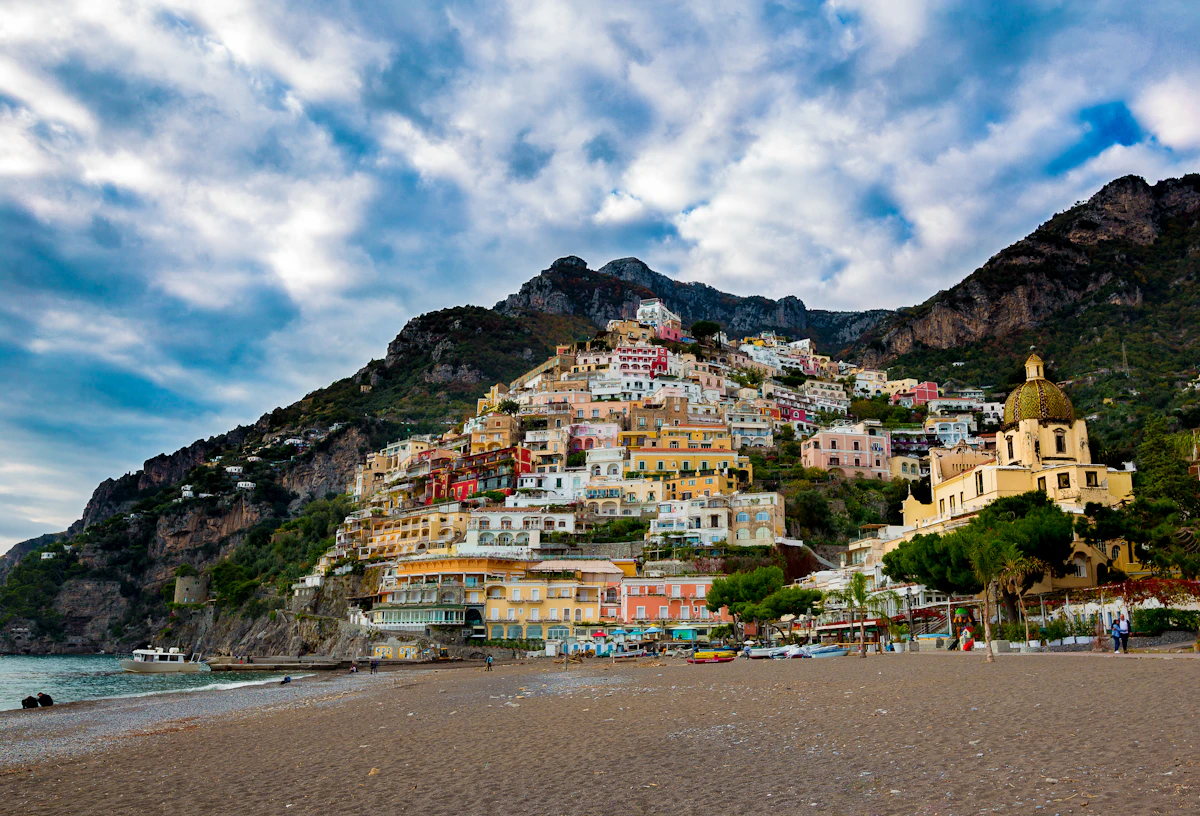
Best time to visit Positano
There is no single best month for Positano. May, June, September and early October can suit travellers who want a workable balance of warm weather and activity, while July and August favour a higher chance of settled beach weather at the cost of crowds and higher demand. April and late October are quieter but more changeable.
Seasonal services change. Ferry timetables, beach facilities, restaurants and tours depend on the operator and the weather, so check the official notice for the day you travel. Keep a bus option in your plan and leave time for delays on the coast road.
Use the comparison below to match the month to your priorities, then check accommodation availability for your exact dates rather than assuming that a season guarantees a particular price or service.
On this page

Quick answer: choose by priority
For a broad choice of ferries, walks, restaurants and beach time, look first at May, June, September or the first part of October. Conditions still vary, and September can be hot, but these months generally offer more flexibility than the height of summer.
Choose July or August if warm sea and the highest chance of settled beach weather matter most. Expect the greatest demand, crowded buses and ferries, and less room for last-minute accommodation or restaurant choices. Mid-August is especially busy around Ferragosto.
Choose April or October for a quieter visit with a better chance of finding space on popular walks and viewpoints. Pack for rain and cooler evenings, and confirm which seasonal businesses are open. November to March is the quietest period; some accommodation, restaurants, excursions and ferry routes may be unavailable, so it suits visitors who value a local, low-key atmosphere over a full resort timetable.
Seasonal comparison
Peak summer (July–August): Usually the hottest period, with strong sun and warm water. Crowds and demand are at their highest, and road journeys can take longer. Accommodation and activities are priced by date and availability; book early if your dates are fixed.
Early summer and early autumn (June, September): Often warm enough for swimming and hiking, with a wider operating season than spring or late autumn. September can remain busy at the start of the month, then ease. Check sea conditions before relying on a ferry.
Shoulder season (April–May, October): Cooler mornings and a greater chance of rain, especially in April and October, but good days can be excellent for walking. Service frequency varies by route and date. Check opening hours and have a bus or indoor alternative.
Winter (November–March): Cool, changeable weather and shorter daylight. Many seasonal businesses reduce hours or close. Public buses remain the practical coast connection, while ferry availability is route- and weather-dependent.
Month-by-month planning
April: A transitional month. Walking can be comfortable, but rain and cool evenings are possible. Confirm ferry dates, trail conditions and restaurant opening before committing to a ferry-only itinerary.
May: A strong all-round choice for walking, viewpoints and a growing range of sea connections. Weekends can become busy; swimming depends on the year's water temperatures and your tolerance for cool water.
June: Longer days and warmer conditions can suit a mix of beach, walking and town days. Give a substantial hike its own day rather than squeezing it between other outings. Demand rises, so check your bed and any fixed-date activity early.
July: Hot, bright and busy. Start exposed walks early, carry water and allow extra time for road traffic. Fares and room rates depend on the selected date and operator.
August: Similar weather to July, with the strongest holiday demand around Ferragosto. Build flexibility into transport and do not assume that a same-day ferry has spare capacity.
September: Sea and air can stay warm, while crowds often begin to ease after the first part of the month. It is a good month for a mixed beach, walk and day-trip plan, subject to the forecast.
October: A quieter month with useful walking days and more variable weather. Seasonal ferry schedules and opening hours may change during the month; check before each journey.
November–March: The calmest period. Plan around the businesses that confirm they are open, carry a rain layer and use buses when ferry service is unavailable or cancelled.
Practical checks before booking
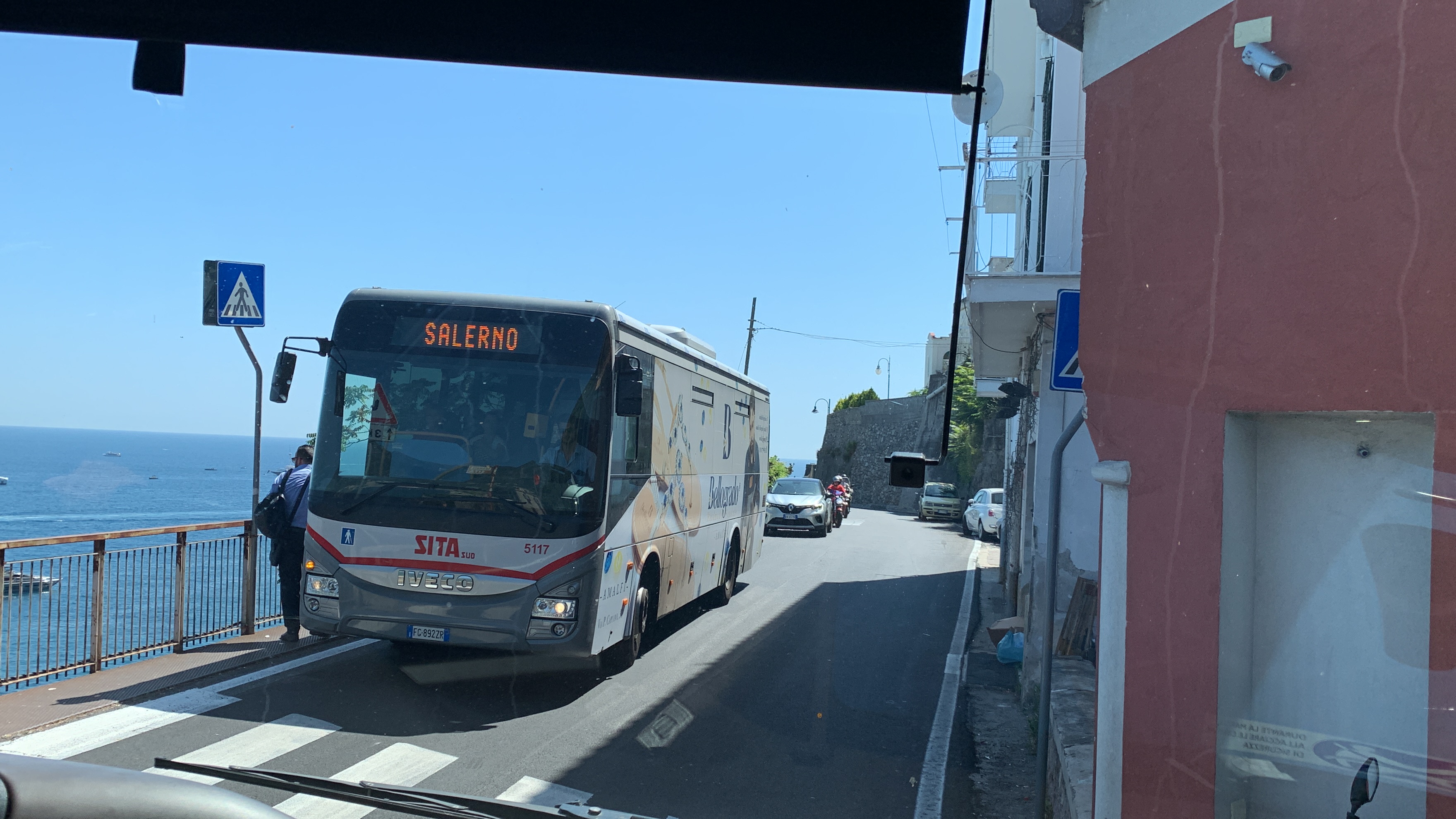
Ferries: Check the selected date directly with the operator, such as Travelmar, and read current weather notices. Our ferry guide explains the routes; compare the land alternative with SITA Sud's timetable.
Swimming: Sea temperature and wind vary by month and year. Late spring through early autumn is the usual swimming window, but a forecast cannot guarantee calm water or open beach facilities. See the Positano beaches guide for access details.
Walking: Heat, rain and wet steps change the difficulty of coastal paths. Start early in hot weather, check local conditions and do not make a long hike the only plan on a stormy day.
Budget and availability: Room prices and availability are date-specific. Compare the current dates in rooms and book transport or activities that have limited capacity when your schedule depends on them.
Arrival and departure: Leave a buffer for buses and ferry changes, especially when connecting to a train or flight. The arrival guide covers the main options.
Rain plan: Keep a practical indoor/local alternative and compare one or two nights if flexibility matters. Confirm that accommodation is available for the actual dates, especially outside the main season.
September: a separate option, not “May again”
September belongs in the initial comparison for travellers who can choose dates after the main summer-holiday window. The decision should still be based on actual room and transport quotes, not a fixed discount percentage.
Do not assume that the same price, service pattern or conditions apply throughout the month. A particular first-weekend event or departure schedule can change the practical answer. Check the exact dates rather than treating a month as one product.
For swimming, use current local conditions rather than a promise about water temperature. For social travel, consider whether your chosen accommodation and the activities you want operate as expected. The calendar alone cannot tell you how many suitable companions will be present.
For someone living or studying in Europe, September may or may not fit the programme. A term start, housing move or work commitment matters more than a generic recommendation to travel later.
FAQs
When is the best time to swim in Positano?
Late spring through early autumn is the usual swimming season, with the warmest water generally in summer. Wind, sea conditions and personal comfort vary, so check the forecast rather than treating a month as a guarantee.
Which months are least crowded?
April and October are usually quieter while some seasonal services remain available. November to March is quieter still, but more businesses and excursions may be closed.
Can I visit Positano in winter?
Yes. Expect cooler, more changeable weather and a reduced selection of open accommodation, restaurants and activities. Check each service directly and plan to use buses when a ferry is not operating.
Should I book ahead in shoulder season?
Check the exact dates in rooms. A weekday in April or October may have more choice than a weekend, but availability changes quickly around holidays, events and good-weather forecasts.