Budget coastal Italy route by train and bus
This is the best budget Italy coastal route by train and bus if you want coast, sea light, beaches and train windows instead of only the Rome–Florence–Venice triangle. The core chain is Cinque Terre, Rome, the Amalfi Coast based in Positano, then Puglia. The reason it works is structural: the long moves are rail-based, Positano is reached by local train-and-bus because it has no station of its own, and Interrail/Eurail can cover the main rail legs even though high-speed reservations and local buses still cost extra.
This is not Italy's cheapest route. Cinque Terre and Positano are the expensive scenic peaks. But that is exactly the point: you spend where the scenery earns it, and the route holds together because the long rail moves are affordable and the accommodation chain is unbroken from north to south.
Why this route works better than it looks on paper
A lot of travellers assume Italy's coast is only practical with a car. That is true for some corners, but not for this chain. Cinque Terre is rail-linked village to village; Positano is awkward only for the final access segment, not for the overall route; and Puglia gives you a completely different coastline to contrast with the Amalfi Coast.
The bigger point is emotional pacing. Cinque Terre gives you the polished Ligurian postcard start. Rome adds history, food, street energy and nightlife. Positano is the visual high point. Puglia is the decompression leg: flatter, food-heavy, and a completely different side of Italy's coast.
Cinque Terre for 2–3 days
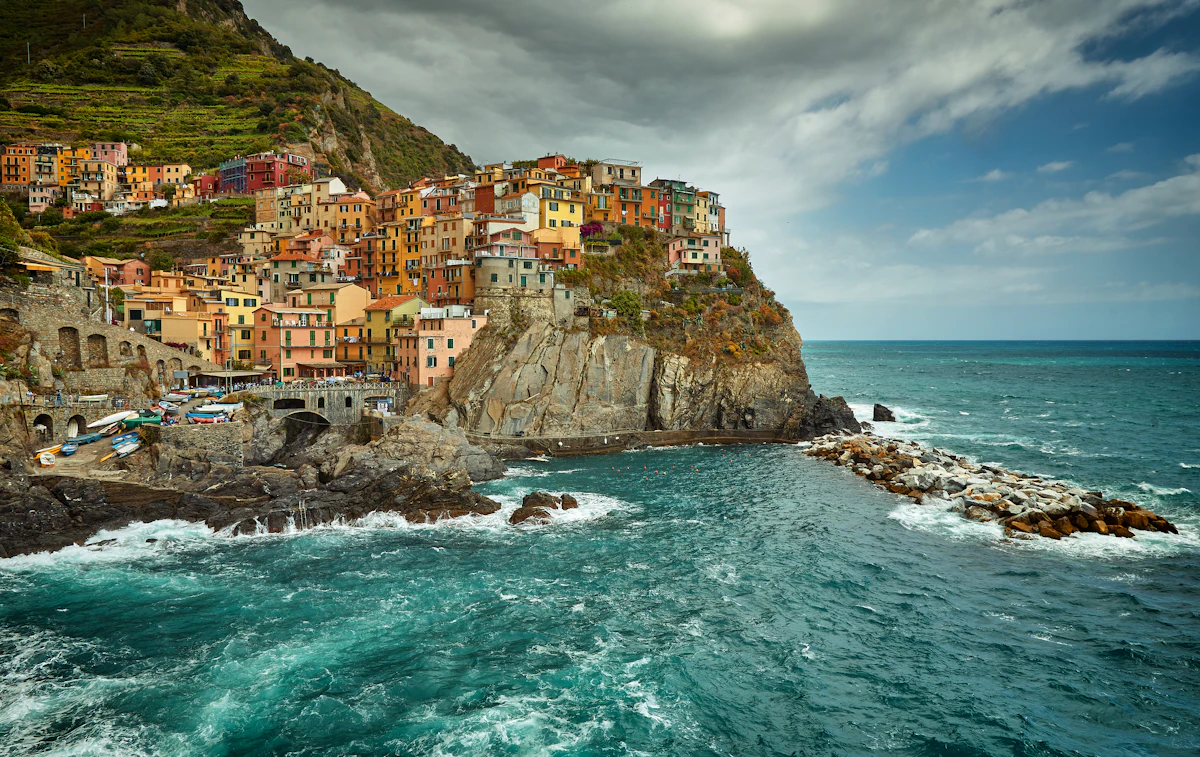
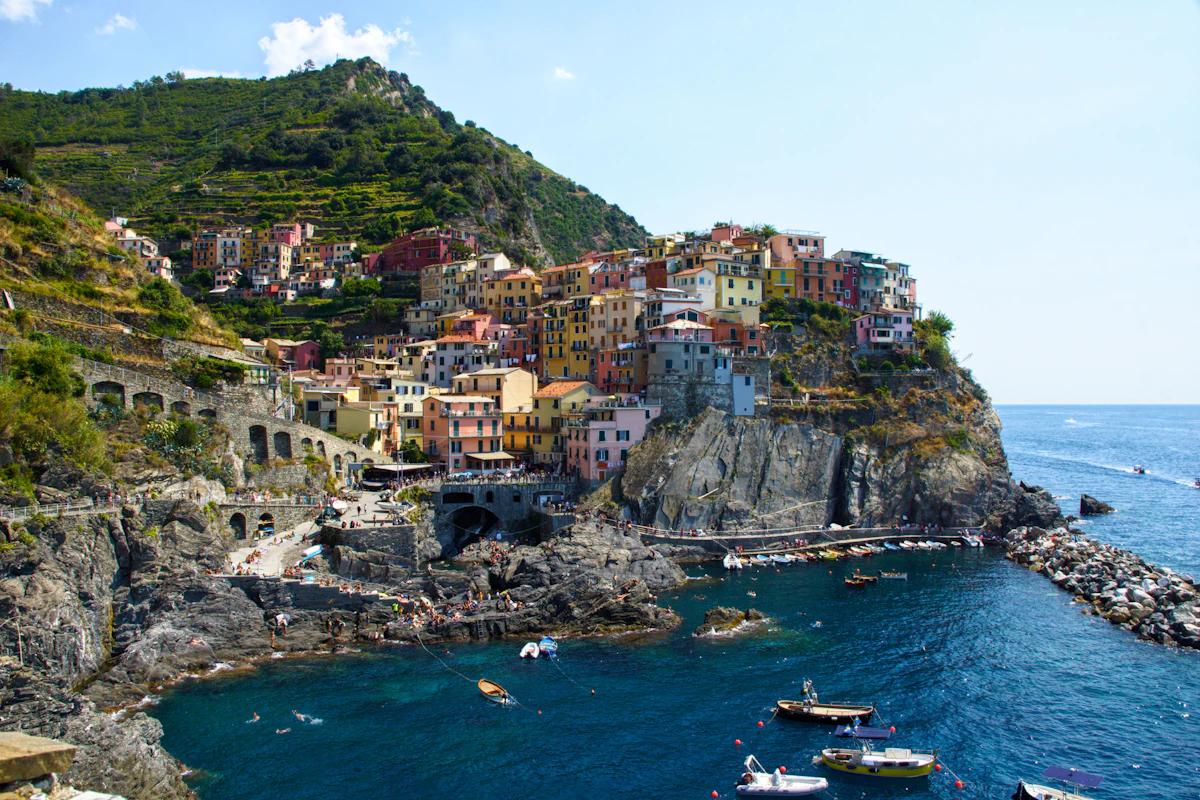
Start here if you want the scenery to build properly. La Spezia is the practical gateway, and from there the regional rail system does the work between the villages. Cinque Terre still earns its reputation: colourful waterfront villages, short rail hops, sea views, hiking, and a slow aperitivo rhythm once the day-trippers thin out. For a backpacker route, two or three days is enough. One day is for moving through the villages, one day is for a walk-swim-eat pattern, and a third day is only worth it if you genuinely like hiking or want a slower pace.
The Cinque Terre Card matters here. The Trekking Card is currently €10 in standard periods and €15 in high season for one day, while the Treno Card is much higher because it includes unlimited train travel between the villages, currently from €22 to €35 for one day depending on visit period. So this is a scenic stop, not a bargain stop. In real backpacker terms, plan roughly €50–€80 per day once you combine bed, food, and either a trekking or train card.
If you already know you want to connect Liguria to Campania, Cinque Terre + Amalfi Coast is the right companion read.
Sperlonga / Rome coast for 1 day (optional)
This is the clean optional insert, not a core leg. If you want one beach reset between Cinque Terre and Rome, Sperlonga is the smartest version. You get off at Fondi-Sperlonga, then continue by local bus into town. It works best as a palate cleanser if you are already passing through central Italy, not as something to force into a tight itinerary.
In a 10–12 day version of this route, leave Sperlonga out unless you are specifically trying to break the journey south. In a longer version, it is a very good under-visited beach stop.
Rome for 2–3 days
Rome is the natural midpoint between the northern coast and the Amalfi Coast. Two or three days gives you time to see the big sights, eat properly, recharge, and handle any logistics before heading south. It is also where most international flights arrive, so for many travellers it is the starting point as much as the middle of the route.
The route fits cleanly. High-speed trains connect Rome to the north (Florence, La Spezia for Cinque Terre) and to the south (Naples, then onward to Sorrento and Positano). Advance fares on Rome–Naples high-speed trains can start around €10–15 when booked well ahead, making the southern leg very affordable. A realistic planning band for Rome is €50–80 per day for most backpackers, depending on accommodation choice and how much you eat out.
Rome is not a coastal stop, but it is the hinge that makes the full route work without a car. Skip it only if you are already in southern Italy.

Amalfi Coast based in Positano for 3–4 days
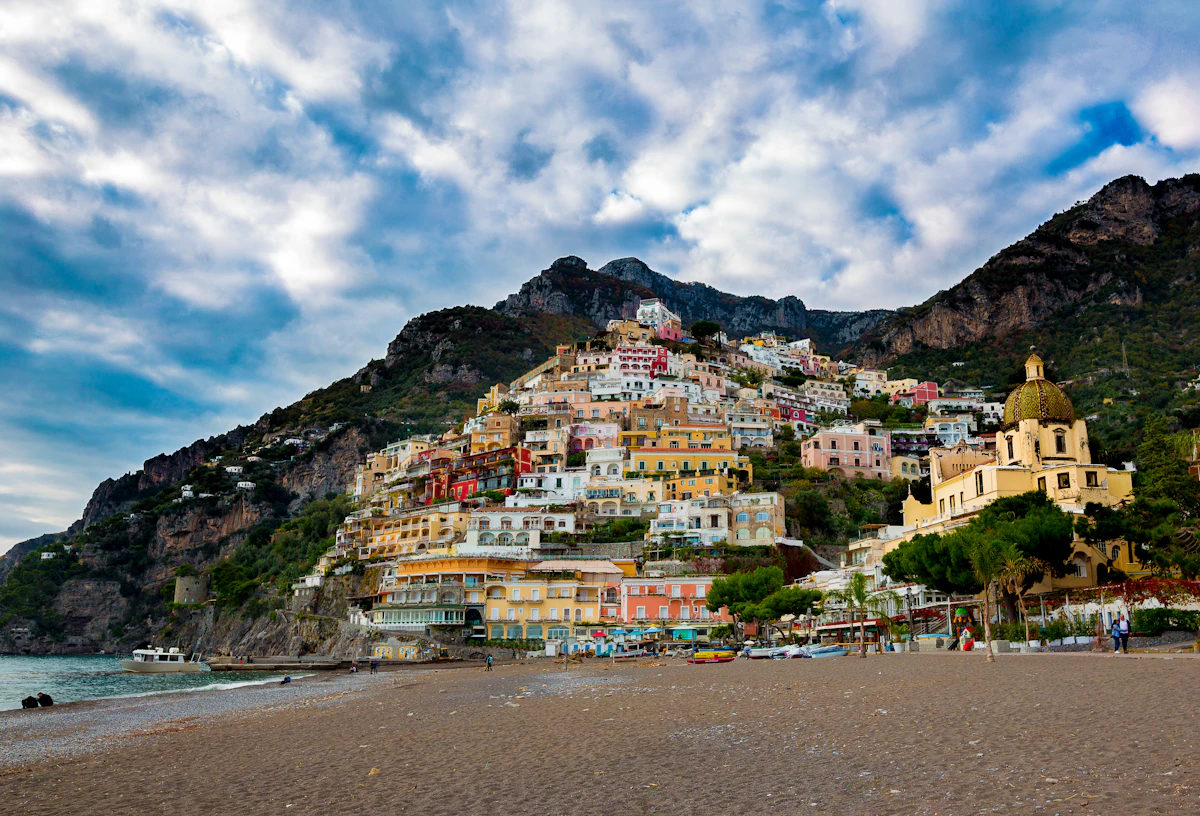
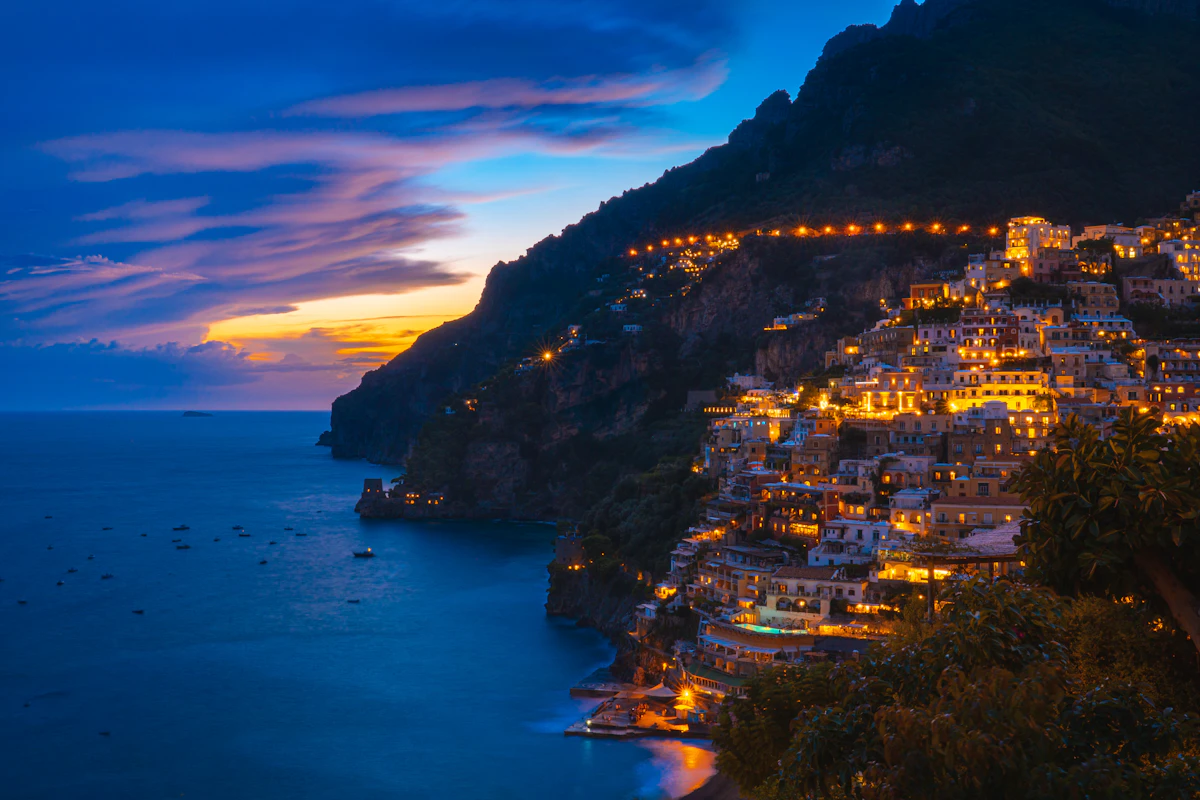
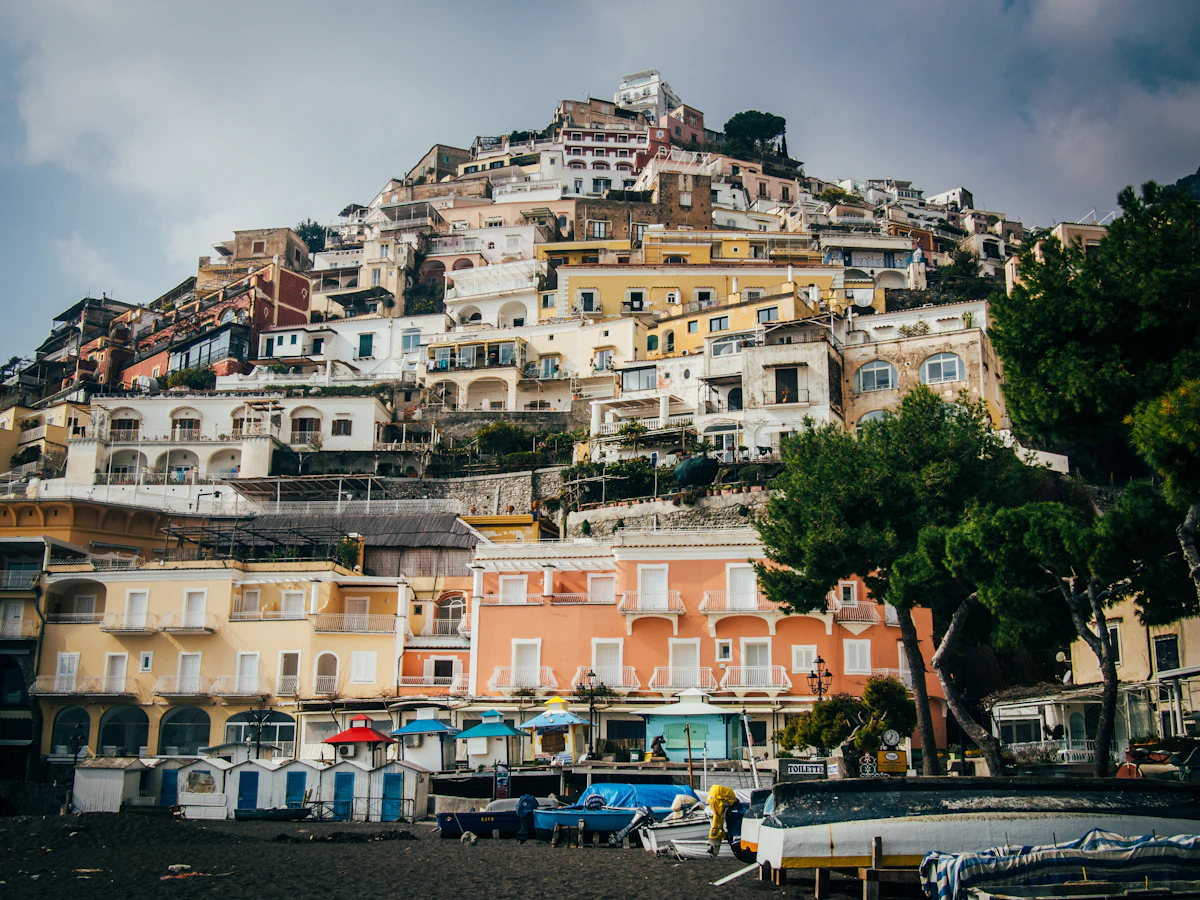
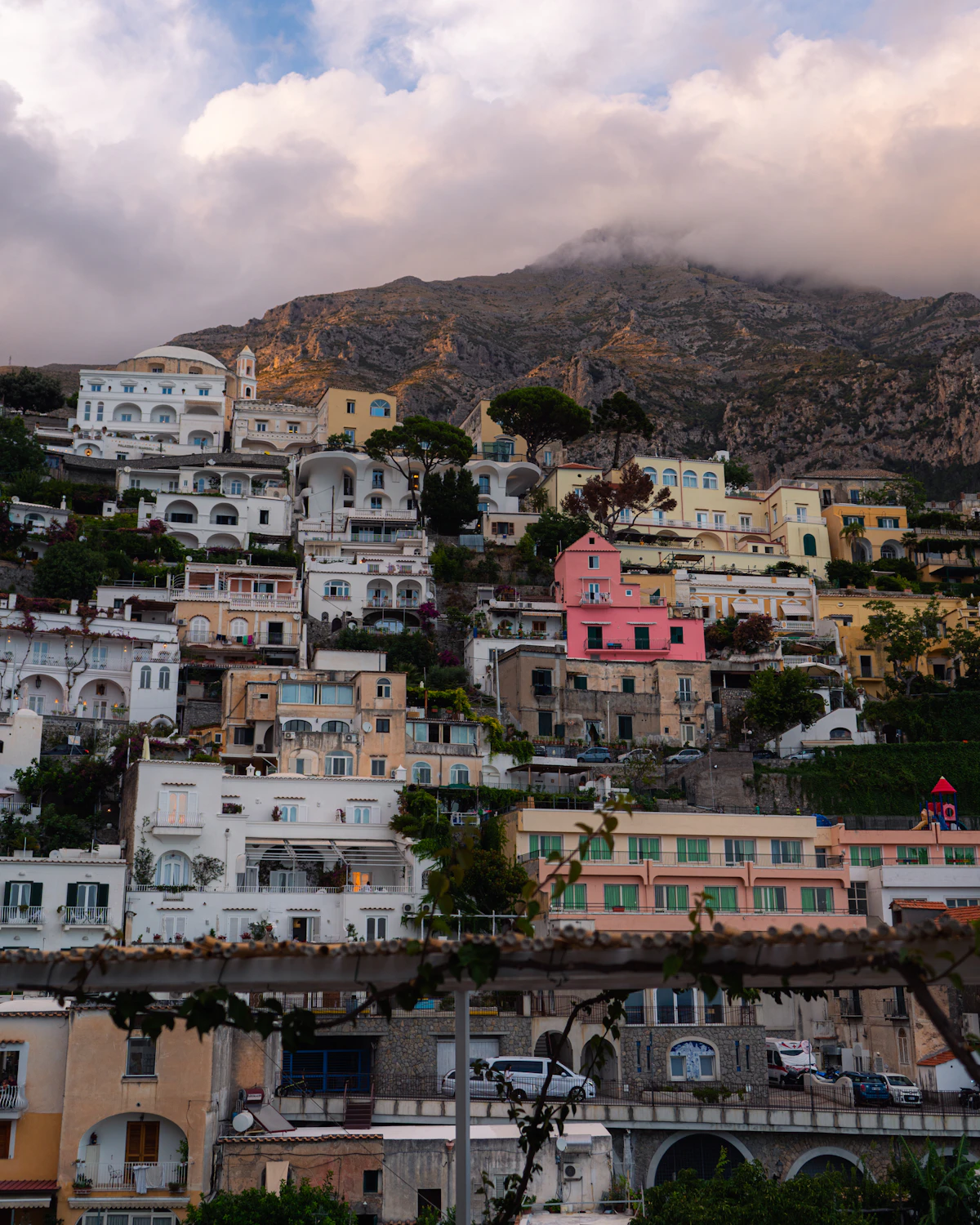
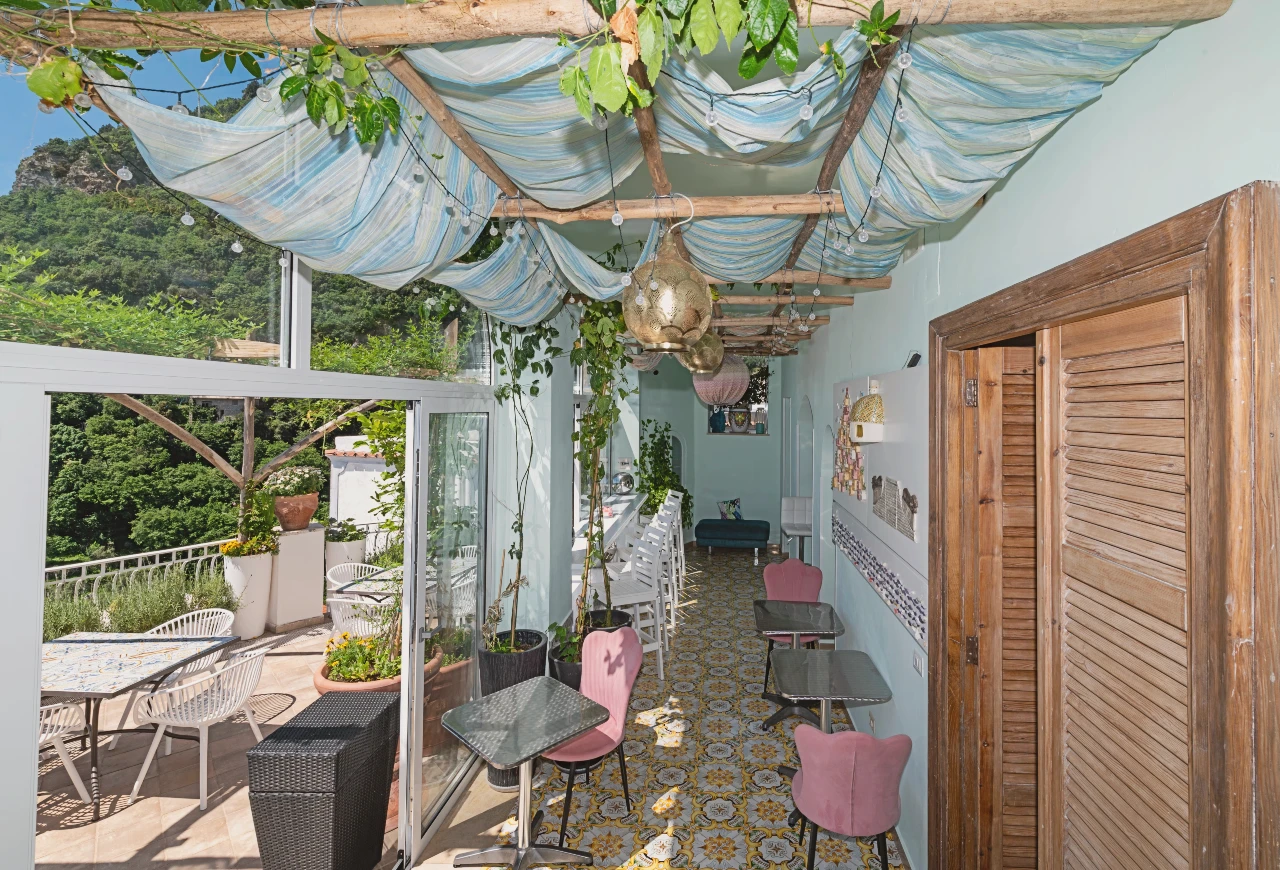
This is the route’s visual and emotional peak. If Cinque Terre is pretty, Positano is the moment people remember. The logic for staying here is simple: you wake up inside the landscape instead of commuting into it. That gives you early beach time, evening atmosphere after day-trippers leave, easier access to Path of the Gods, and far better odds of fitting in Amalfi, Ravello, or an optional Capri day without turning everything into a transport exercise. See also Positano’s beaches and Amalfi Coast backpacker itineraries.
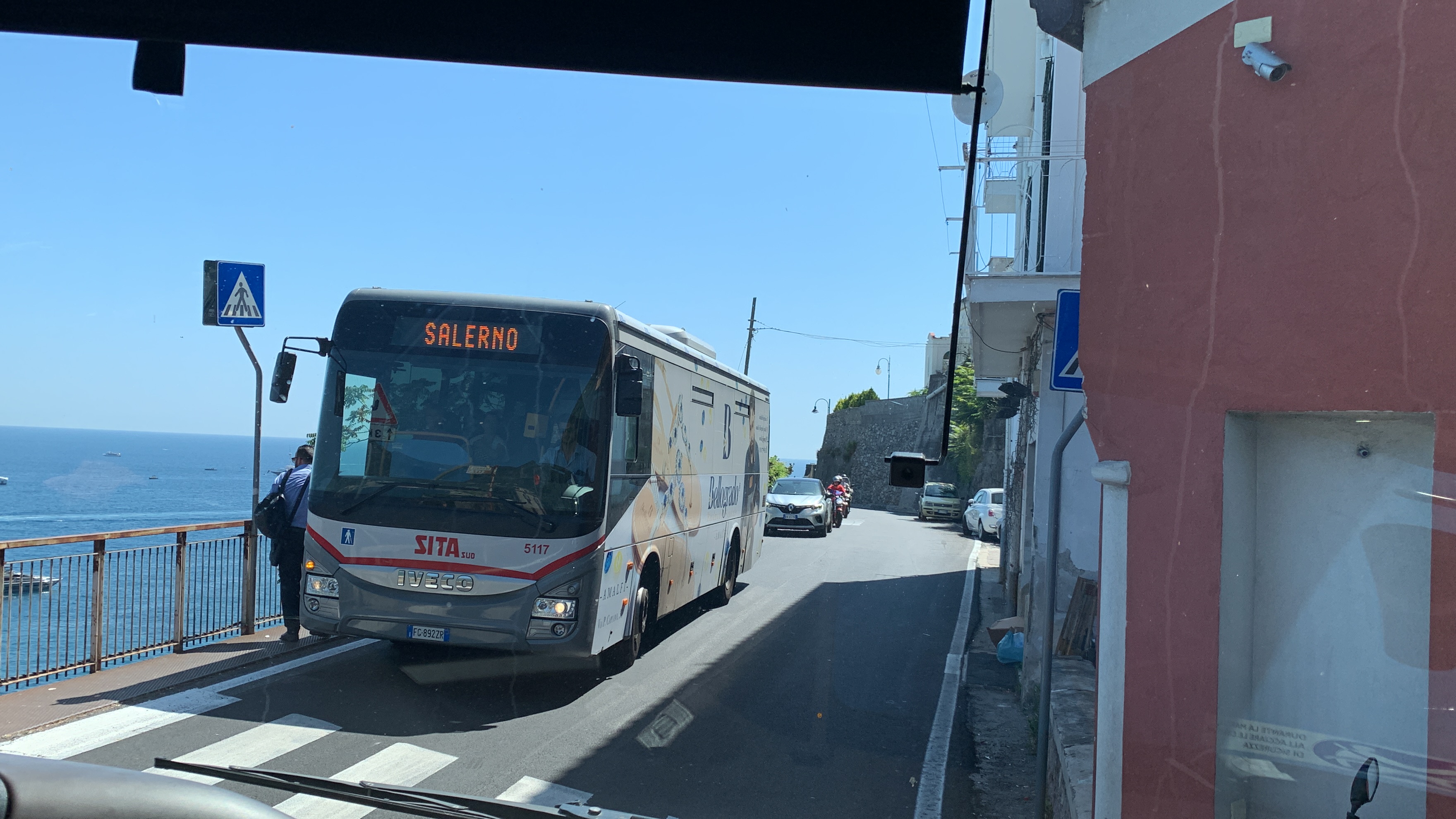
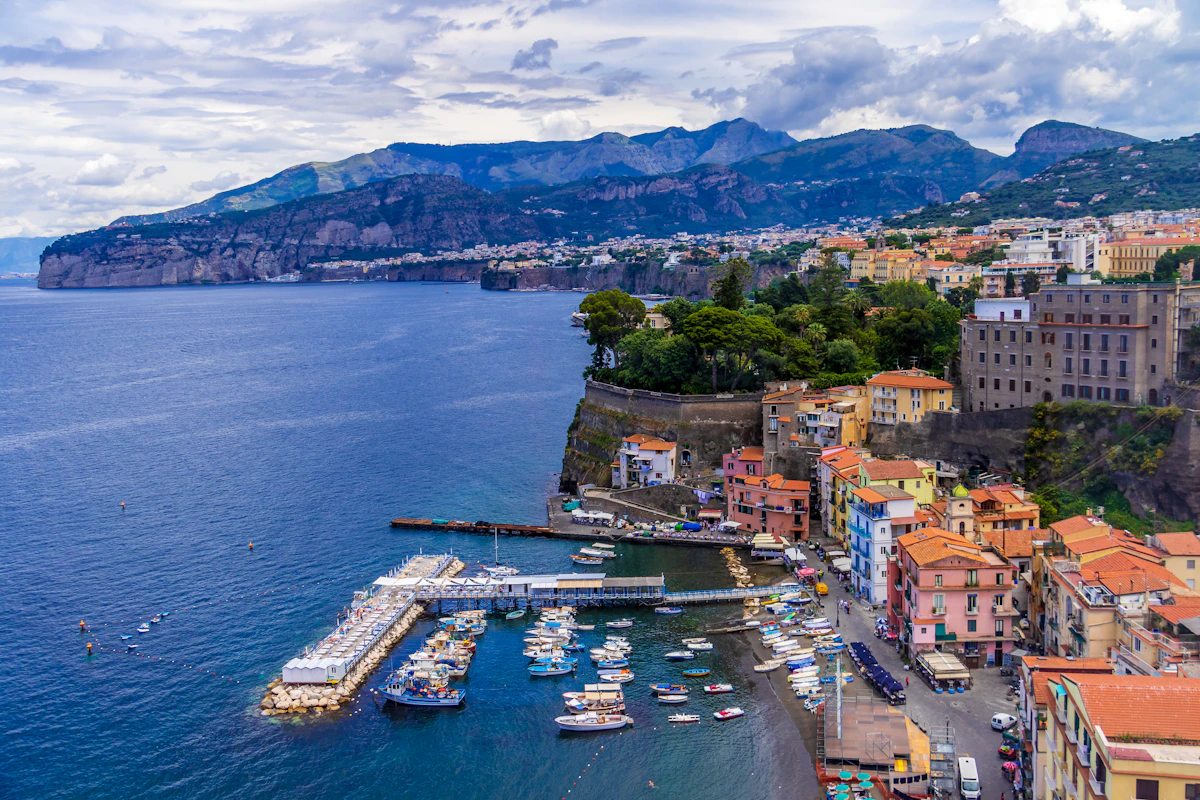
The route mechanics are straightforward even though Positano has no train station. From Naples use the Circumvesuviana to Sorrento, currently €4.60 on the ordinary service, then continue by SITA bus, with single fares around €2.60 and the COSTIERASITA 24-hour pass at €10. For the exact handoff, use Naples to Positano by train and bus and how to get to Positano.
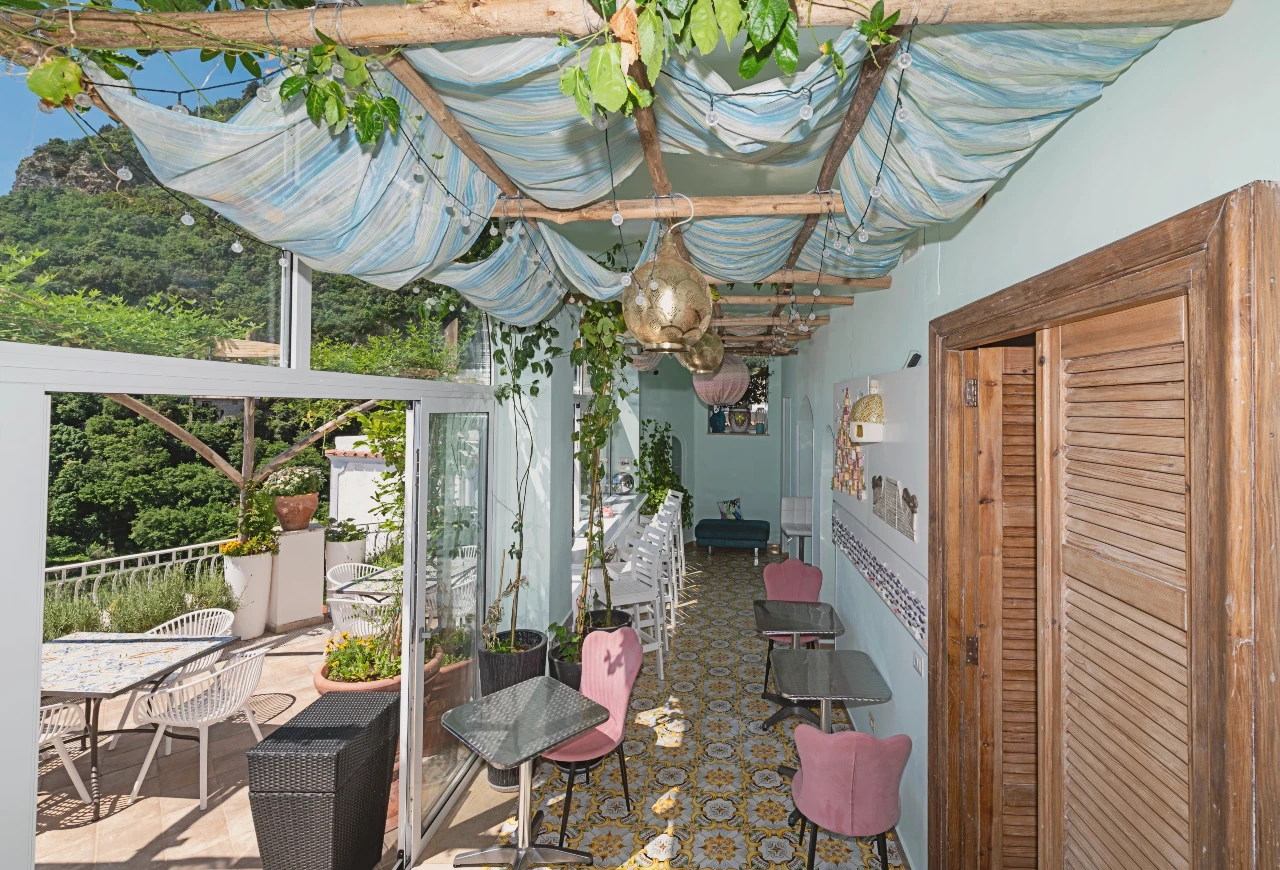
The honest budget point is this: the Amalfi Coast is the splurge leg. Hostel Brikette is Positano’s only hostel, which is what makes this coastal backpacker chain possible at all, but treat Positano as the place you spend more and compensate later in Puglia, not as the place you magically do for Rome money. Positano on a budget is the guide to read before you book.
Puglia coast via Polignano a Mare + Lecce for 2–3 days
After Positano, Puglia is the right change of pace. Not because it beats the Amalfi Coast on drama, but because it gives you a completely different Italy: Adriatic instead of Tyrrhenian, Baroque architecture in Lecce, cliff-backed swimming at Polignano a Mare, and some of the best food in the country.
Getting there without a car takes some planning. The most practical route is Salerno to Bari by train, then local trains to Polignano or Lecce. Within Puglia, the towns are more spread out than on the Amalfi Coast, so factor in travel time between stops. Polignano works best as a day trip or one-night stay from Bari; Lecce is the better base if you want to settle in for two or three days.
Backpacking Southern Italy covers the broader southern Italy route if you want to extend beyond this chain.
Transport overview: how the whole route works without a car
Cinque Terre runs on regional rail. High-speed trains link Rome to Naples. Naples links to Sorrento by Circumvesuviana. Sorrento links to Positano by SITA bus. Salerno links onward to Bari by train for the Puglia leg.
Interrail or Eurail can absolutely help on this route, but only on the rail parts. You still need separate local spending for the Amalfi Coast bus network, and most Italian high-speed trains require seat reservations on top of the pass. So the pass is useful, but it is not a total transport wipeout.
The practical mistake to avoid is assuming the Amalfi Coast is off-network. It is not off-network. It is just one mode-change off-network. That is a very different thing.
Which direction should you do it?
North to south: Do it north to south if you are entering Italy from Northern Europe, or if you want the scenery to build. Cinque Terre is a strong opener, Rome makes a good midpoint, and Positano lands hardest when it comes after a few days of movement rather than as stop one.
South to north: Do it south to north if you are entering from Greece or Croatia, or if you want to hit Positano while your energy, patience and budget tolerance are highest. This is also the better choice if the Amalfi Coast is the real reason you are doing the route and the northern coast is the extension rather than the anchor.
The hostel chain on this route
This route works because the backpacker chain is continuous enough to be practical. Cinque Terre has hostel and hostel-adjacent budget beds in the area, plus stronger spillover options in La Spezia and Levanto. Rome has serious hostel depth. Puglia has regional hostel options across cities like Bari and Lecce. And the Amalfi Coast has one hostel in Positano.
That single fact is more important than it sounds, because it means the famous expensive cliffside stop is not forced into hotel-only pricing. That is what makes the full coastal chain work for hostel-age travellers instead of only for hotel budgets.
Route budget summary
These are planning bands, not promises. They use current card pricing, rail and bus fares, and current live hostel listings as anchors. Positano and Cinque Terre will move the most by season and day of week.
Approximate core 12-day total: €720–€1,030, excluding your arrival into Italy and your final departure. That total is higher than old backpacker folklore about doing the Amalfi Coast cheap, but it is a defensible budget for a coast-heavy Italy trip with real scenic value, one true splurge stop, and no car rental.
| Stop | Days | Daily budget | Total | Transport between stops |
|---|---|---|---|---|
| Cinque Terre | 2 | €50–€80 | €100–€160 | La Spezia access + local regional rail |
| Sperlonga (optional) | 1 | €35–€60 | €35–€60 | Fondi-Sperlonga station + local bus |
| Rome | 3 | €50–€80 | €150–€240 | High-speed rail from Cinque Terre area |
| Positano | 4 | €90–€120 | €360–€480 | Naples–Sorrento €4.60 + SITA bus ~€2.60 |
| Puglia / Lecce + Polignano | 3 | €35–€55 | €105–€165 | Salerno–Bari from ~€18–€20, then local trains |
Tips
- Do the route north to south if you are entering from Northern Europe — the scenery builds better in that direction.
- Rome is the route’s natural midpoint. Use it to recharge, handle logistics, and see the sights before heading south.
- The COSTIERASITA 24h pass at €10 is the right tool for any Amalfi Coast day involving more than one bus.
- Treat Positano as the planned splurge. Let Puglia be where you recover the budget.
- Interrail covers Trenitalia rail but not Circumvesuviana, SITA buses, or most high-speed reservations — budget separately for those.
- Polignano a Mare is best as a day stop or one-night stay rather than a main base. Use Lecce as your Puglia anchor.
- From the hostel in Positano, guests doing this full coastal chain typically find the Sorrento–Positano SITA leg the most variable in summer — the bus can be packed and slow. We suggest building in 30 minutes extra buffer when connecting from the Circumvesuviana.
- We have seen guests try to compress Positano into two nights to save money, then wish they had stayed longer. Three or four nights is genuinely worth it: you spend one day on arrival and orientation, one day on a proper hike or boat day, and the last day actually feeling like you live here rather than passing through.
FAQs
What is the best coastal route through Italy?
For a backpacker-level public transport route, the strongest north-to-south chain is Cinque Terre, Rome, Positano, then Puglia. It works because the scenery escalates, the long moves are rail-based, and the Amalfi Coast — the visual high point — is reachable without a car.
Can you do Italy’s coast by train and bus?
Yes, this version of it works well without a car. Cinque Terre is rail-linked, Rome connects north and south by high-speed rail, Positano is reached by train plus local bus, and Puglia reconnects cleanly by rail from Salerno. Interrail/Eurail helps on the train legs, but local Amalfi Coast buses and high-speed reservations are extra.
What are the cheapest coastal towns in Italy on this route?
On this specific route, Rome and the Puglia leg around Lecce and Bari offer the best value for sleep and food. Cinque Terre can be managed, but the card system pushes daily costs up. Positano is the most expensive stop, but doing it right — with a hostel base — keeps it within reach.
How many weeks do you need for the full coastal route?
Twelve days is the tight but workable version if you skip Sperlonga. Two full weeks is better if you want the route to breathe, add an extra beach day, or avoid turning every transfer into a half-day loss. The sweet spot is long enough to let Positano and Puglia both feel like stays rather than boxes ticked.
Is the Amalfi Coast the most expensive stop on the route?
Yes. On current live pricing, Positano is the cost peak by a clear margin. But that is the whole point of the route: you plan for Positano as the splurge leg and let the rest of the chain balance it out. With a hostel base, it is more affordable than most people expect.