What to pack for the Amalfi Coast
Pack for the journeys you will actually make: stairs and uneven lanes in town, exposed coastal walks, beach visits and bus or ferry transfers. A manageable bag, worn-in shoes with grip, sun protection and adjustable layers form a useful starting checklist.
Use the seasonal suggestions below to choose layers, then check the Italian Air Force weather forecasts for your travel dates. The calendar alone cannot tell you whether a swimming day, ferry trip or hike will be suitable.
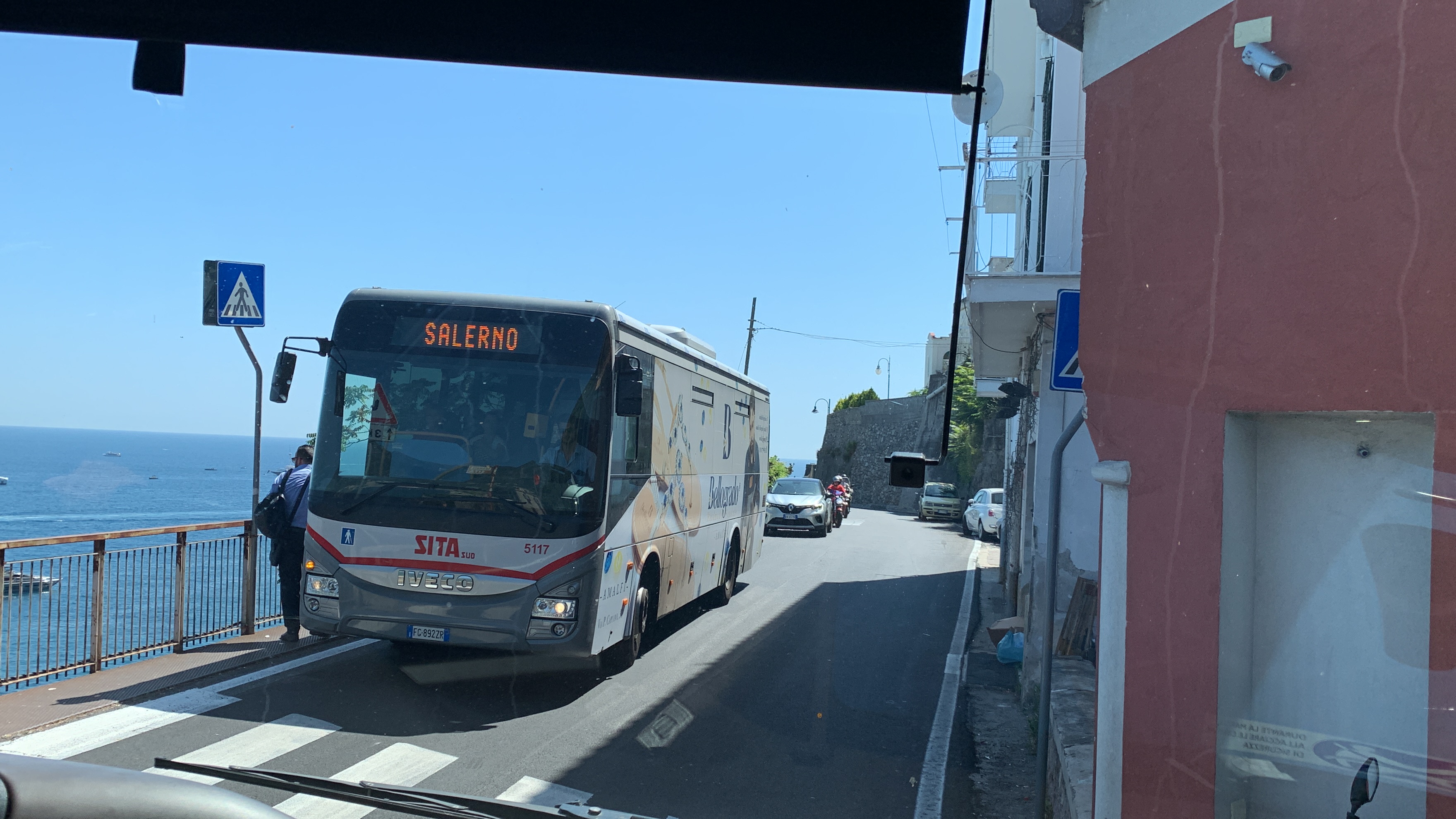
Arriving at Brikette: You do not need to carry luggage up from the beach if you choose an arrival route serving Chiesa Nuova. The road leg from the SITA stop by Bar Internazionale is about 120 m; the hostel entrance still has stairs. Read the Chiesa Nuova arrival guide and choose a bag you can manage on the entrance steps.
On this page

Seasonal packing: what changes by season
Adjust your bag to the forecast, your activities and the time you will spend outside. These are packing suggestions, not guaranteed temperatures or opening dates.
Spring (March–May): Take removable layers, a light rain jacket and comfortable closed shoes. Keep sun protection accessible rather than packing only for cool weather.
Summer (June–September): Choose breathable clothing, a hat and sunglasses, with a light layer for wind on boats or air-conditioned transport. Carry water for walks and keep wet-weather protection available if the forecast calls for it.
Autumn (October–November): Add warmer layers and rain protection. Bring swimwear if you hope to swim, but decide on the day from sea conditions and local advice; October is not a promise of suitable swimming.
Winter (December–February): Prioritize warm layers, a weatherproof outer layer and shoes with grip. Check current trail notices, weather and daylight before planning a hike, and check individual beach-club and transport operations rather than assuming seasonal services are running.
Footwear (most important category)
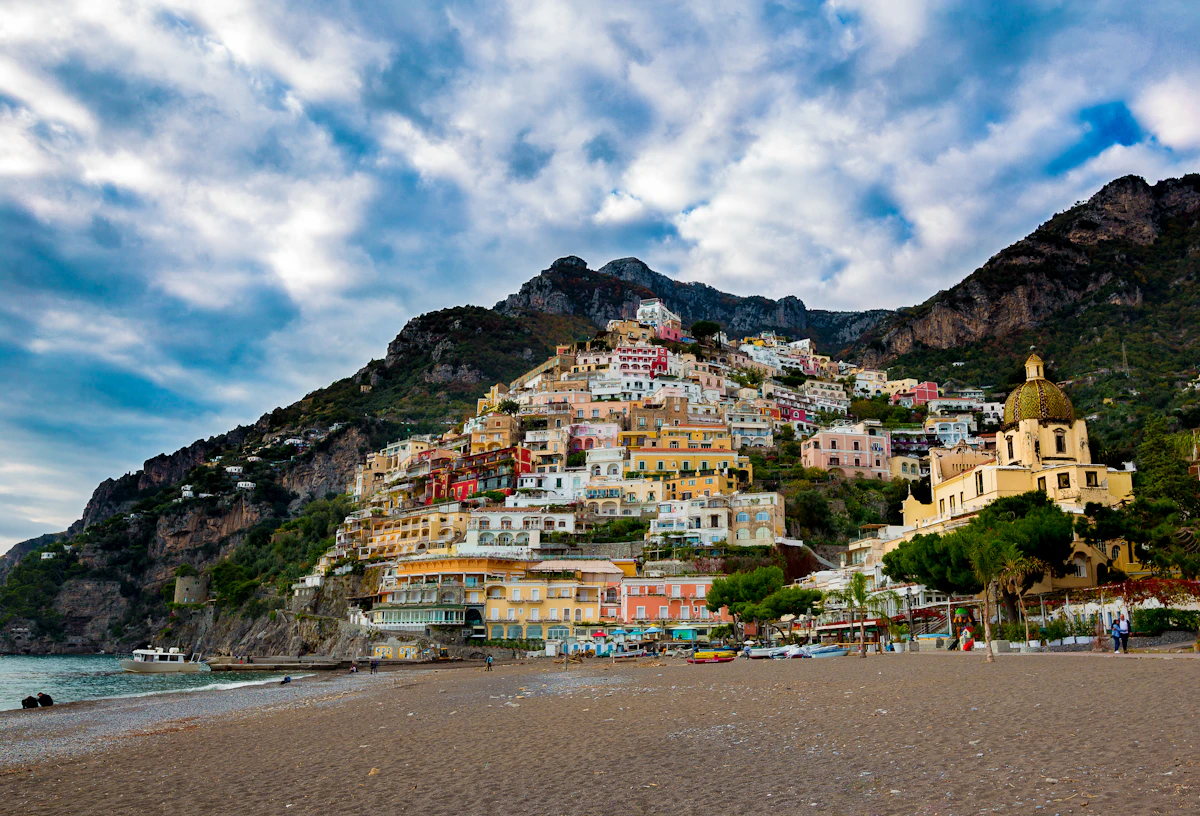
Your route determines how much climbing you will do. The beach-to-upper-town walk and a road-level bus arrival are different journeys; do not plan around a universal stair count.
Walking shoes with grip: Bring shoes you have already worn comfortably. Choose tread suitable for uneven paving and take particular care on wet steps.
Beach footwear: Strapped sandals or water shoes can be useful on pebbles and rocky entries. Read our Positano beaches guide when choosing where to swim.
Evening shoes, if needed: A smarter pair is optional. Choose something you can still walk in on the way back to your accommodation.
For hikes: Pack footwear suited to the actual trail, not just town sightseeing. The Monti Lattari park's Path of the Gods guide recommends mountain footwear and notes exposed sections. Check current conditions as well as the route description.

Clothing essentials
Layers: A removable shirt, fleece or light jacket gives you options between a shaded lane, an exposed viewpoint and a windy boat deck. Select the weight from the forecast.
Swimwear: If beach days are part of your plan, a spare swimsuit lets one dry while you use the other. Choose swimming days from conditions rather than a fixed beach-season calendar.
Cover-ups: Pack a shirt, dress or other cover-up for moving between the beach and town, and check dress requirements for places you intend to visit.
Evening clothes: Bring an outfit suited to your restaurant plans rather than adding formal clothes you will not use.
Sun protection clothing: Include a covering layer, a broad-brimmed hat and UV-protective sunglasses alongside sunscreen.
Rain gear: A packable rain jacket is useful when rain or wind is forecast in any season. A compact umbrella is an option, but choose a jacket for exposed or windy walks.
Bags & luggage
Main bag: Choose luggage you can lift and carry on the stairs in your planned route. A backpack or soft duffel can leave your hands freer; a wheeled bag still needs to be manageable when you have to carry it.
Day bag: A small backpack or crossbody bag should hold water, a layer and daily essentials without becoming awkward on crowded transport.
Beach bag: A lightweight tote can double as a beach bag. Bring one you already own rather than relying on a particular local price or shop stock.
Valuables: Keep your bag within reach on buses, ferries and at stops, close its fastenings and carry only what you need for the outing.
Sun protection & health
Sun protection: Pack broad-spectrum sunscreen, a hat, protective clothing and sunglasses. Follow the World Health Organization's UV guidance: seek shade and limit midday exposure; sunscreen does not make longer sun exposure safe.
Daily planning: Check the UV index as well as temperature. Cloud and a cooling sea breeze do not tell you how much UV you are receiving.
Personal care: Bring the moisturizer, insect repellent or other products you normally use and follow their labels. Do not rely on a particular brand or pack size being available locally.
Medication and first aid: Pack your prescribed medicines and blister plasters. Check travel and storage requirements for your own medication before departure; ask a pharmacist or clinician about substitutes.
Boat trips: If you experience motion sickness, discuss suitable options with a pharmacist or clinician before travelling. Keep your own essentials accessible in your day bag.
Tech, adapters & electronics
Power adapter: Check your device's plug and input rating before travelling. Italy has different socket formats, including types C and L; choose an adapter compatible with your plug and the sockets you will use. A plug adapter does not convert voltage. See Italy's official practical information.
Phone and charging: Pack the right charging cables and, if useful for your plans, a power bank. Save the accommodation address, arrival instructions and essential tickets offline.
Camera: Clear enough storage for your photos. A suitable dry bag or waterproof case can help protect devices on boat and beach outings.
Reading: Download books or other offline entertainment before travelling if you want a particular language or title.
Headphones: Useful for transport and shared spaces; keep sound to yourself and remain aware of traffic when walking.
Toiletries & personal items
What to pack: Bring travel-size toiletries you need and check what your booked accommodation actually supplies.
Buying locally: You can look for everyday replacements in shops and pharmacies, but stock, opening hours and prices vary. Pack products that must be a specific brand or formulation.
Laundry: Plan enough clothes around a confirmed laundry option, not an assumed hostel facility or wash price. Use our Positano laundry guide and check the current service and turnaround before relying on it.
Menstrual products: Pack your preferred products, especially if a particular type or brand matters to you; check local shops for replacements rather than assuming every option is stocked.
Money, cards & documents
Cash: Carry some small euro notes for purchases where they are useful. Check the seller's payment options and any ATM fee displayed before accepting a withdrawal; your bank may have separate charges.
Cards: Check your bank's overseas-use settings and fees. A backup payment method is useful if your main card is unavailable or a seller cannot accept it.
Documents: Bring the original travel document required for your nationality and itinerary, your accommodation confirmation and insurance details if applicable. Check current entry requirements through the relevant official authority before travel.
Backups: Keep secure offline copies of essential documents and booking information, separately from the originals. A copy does not replace the original travel document.
Optional extras & nice-to-haves
Reusable water bottle: Refill only from a tap or fountain marked as potable and follow current local water notices. If a source is unmarked, ask locally or use sealed drinking water.
Dry bag: Useful for protecting electronics and valuables on boat trips or at the beach.
Compact towel: Bring a quick-drying beach towel or confirm the supply and any charge with your accommodation or chosen beach club. Do not assume a bath towel can be taken to the beach.
Snorkel gear: Pack your own if you plan to use it, or check availability, fit and the current price with a rental operator before counting on hiring it.
Quiet downtime: Headphones and a downloaded playlist are useful without disturbing other guests or beachgoers.
Italian phrasebook or language app: Save a few practical phrases for transport, food and directions. Our Italian phrases guide offers a starting point.
What NOT to pack
Reduce items you will not use:
• A suitcase you cannot lift on the stairs in your planned route
• Extra shoes beyond the needs of your actual walking, beach and dinner plans
• A hair dryer unless you need your own: first check accommodation supply and device compatibility
• Full-size toiletries when travel sizes will cover your stay
• Formal wear without a specific occasion
• Duplicate electronics and chargers
• Bulky clothing chosen only by calendar month rather than the forecast
Tips
- Choose luggage you can lift, and review your arrival route before packing.
- Keep a little cash and a backup payment option; check actual merchant and ATM charges.
- Pack products you need in a specific formulation rather than depending on local stock.
- Break in walking shoes before your trip and keep blister plasters accessible.
- Leave space for water and a layer in the day bag you will take on walks.
FAQs
Can I buy everything I need locally?
Look for everyday replacements in local shops and pharmacies, but do not assume a specific brand, opening time or price. Pack prescribed medicines and products you particularly need.
Use current shop prices when budgeting; this guide does not promise a fixed markup or saving compared with home.
Do I need to bring beach towels?
A compact, quick-drying towel is useful. Check your accommodation's towel policy and the supply or rental charge at your chosen beach club before relying on either. Bath towels are not automatically provided for beach use.
What's the best luggage for Positano?
Choose a bag you can lift and carry on stairs. For Brikette, a Chiesa Nuova road arrival avoids carrying your luggage up from the beach, but there are still stairs at the hostel entrance. Use the arrival guide to assess the route and the porter guide if you are considering assistance; availability and arrangements need confirmation.
Should I pack an umbrella?
Check the forecast for your dates in any season. A compact umbrella can help in rain, while a rain jacket is more practical for wind, boats and exposed walks. Do not leave all rain protection behind simply because you are travelling in summer.
Do I need hiking boots for the Path of the Gods?
The park recommends mountain footwear for its described route. Choose hiking shoes or boots appropriate to your feet and the rocky, exposed terrain, and check weather and current trail notices before setting off. Read our Path of the Gods guide to plan the route; a town walking shoe is not automatically suitable.