7-Day Amalfi Coast Itinerary Without a Car
This 7 day Amalfi Coast itinerary without a car is the version you would actually use for a one-week trip on a hostel-age budget. Not a watered-down compromise — genuinely the better way to do the coast. The SS163 coastal road is single-lane, choked with tour coaches, and stressful to drive. Parking in Positano runs €10+ per hour in summer, spaces fill early, and once you have parked you still cannot drive to the places you actually want to be — the beaches, the old centres, the restaurants are all pedestrian-only. Every week, guests arrive at Hostel Brikette and confirm the same thing: the ones who came by bus or ferry had a better journey than the ones who drove.
This plan runs best from April to October, when the coastal ferry network is active and the direct Positano–Capri route operates. Outside that window, you can still do the week without a car, but Day 5 becomes less clean and usually works better routed via Sorrento.
Why base yourself in Positano when it is not the cheapest town? Because one-base travel eliminates the luggage-dragging penalty of moving between towns on a coast with no flat ground. And because Positano sits centrally on both the bus corridor and the ferry network — you can move west toward Sorrento or east toward Amalfi and Salerno without restructuring your week. Hostel Brikette is Positano's only hostel and sits 100 m from the SITA bus stop, which on a no-car week is the difference between a smooth departure and a sweaty uphill drag with a backpack.
Before you start: how the transport actually works
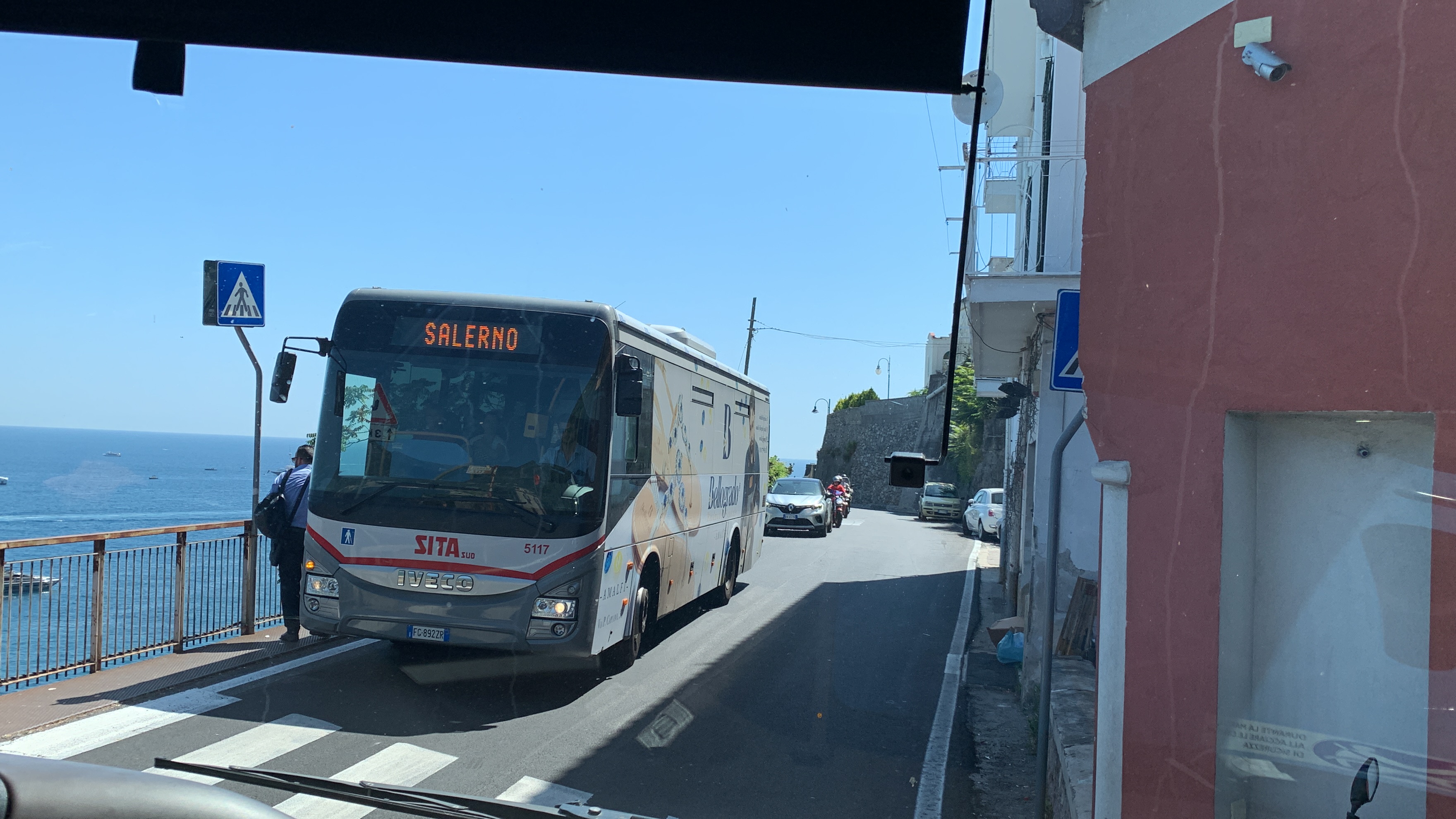
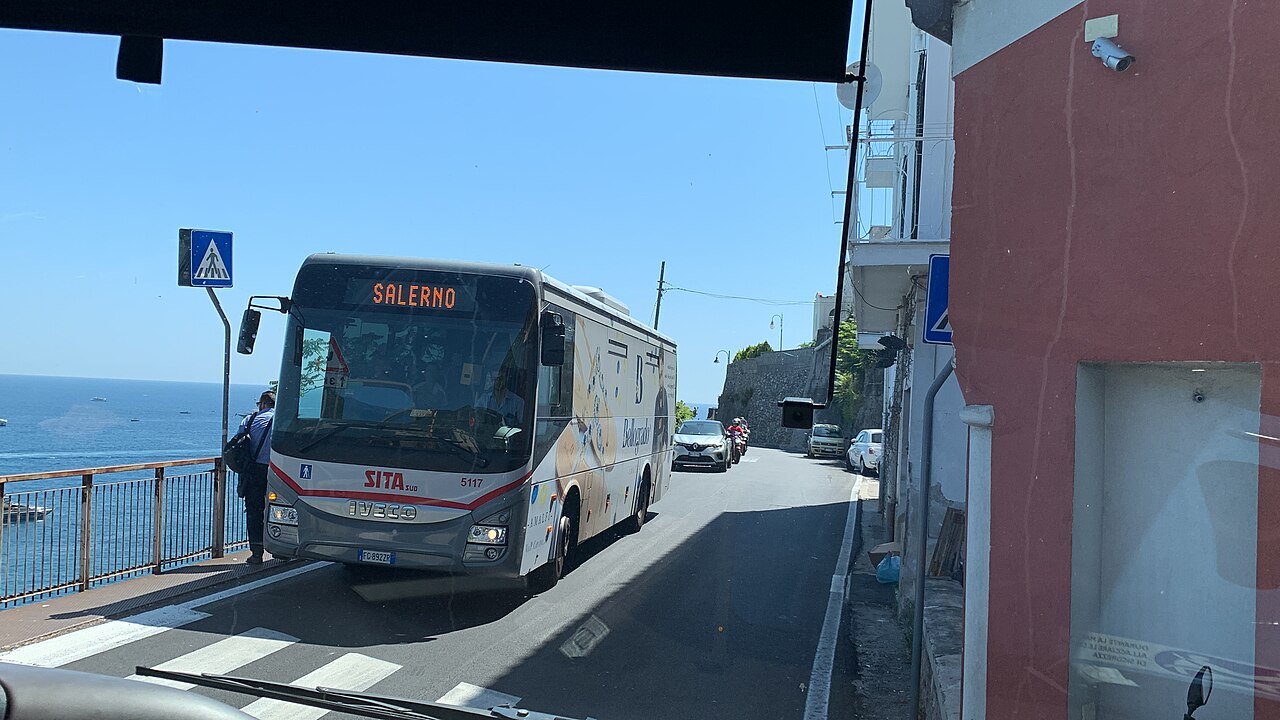
Think of the network in three working layers. Layer one is trains — they bring you to the gateway towns (Naples to Sorrento via Circumvesuviana at €4.60, Naples to Salerno via Trenitalia from €5.50) but there is no train running along the coast itself. Layer two is SITA buses — the road backbone connecting Sorrento, Positano, Amalfi, and Salerno, with single fares around €2.40–€3.40 and a COSTIERASITA 24-hour pass at €10 that pays for itself in two rides. Layer three is ferries — the seasonal sea links (roughly April to October) that skip the road traffic entirely and are often faster and less stressful than buses on the busiest sightseeing days.
The buses work, but they are honest-to-god not frictionless. On the Sorrento–Positano–Amalfi corridor, intermediate stop times shift with traffic and overcrowding. In peak season, buses can arrive already full — that matters most at mid-route stops where you cannot guarantee a seat even if you are on time. Ferries solve the crowding problem but are weather-dependent; rough seas cancel sailings, so you always need a bus fallback plan. And the system does not run late — last buses are not there to rescue late dinners or nightlife plans.
That is why this itinerary deliberately mixes buses for cheap inland moves with ferries for the heaviest sightseeing days, and builds in slack days where you do not need public transport at all.
The full Amalfi Coast public transport guide covers the SITA bus network, ferry operators, and what to do when services are disrupted. Amalfi Coast transport costs has the current fare table. The short version: single SITA Positano–Amalfi ticket is 2.60 €; the COSTIERASITA 24-hour pass is 10 €; Travelmar Positano–Amalfi ferry is 10 € one way.
Day 1: arrive and explore Positano
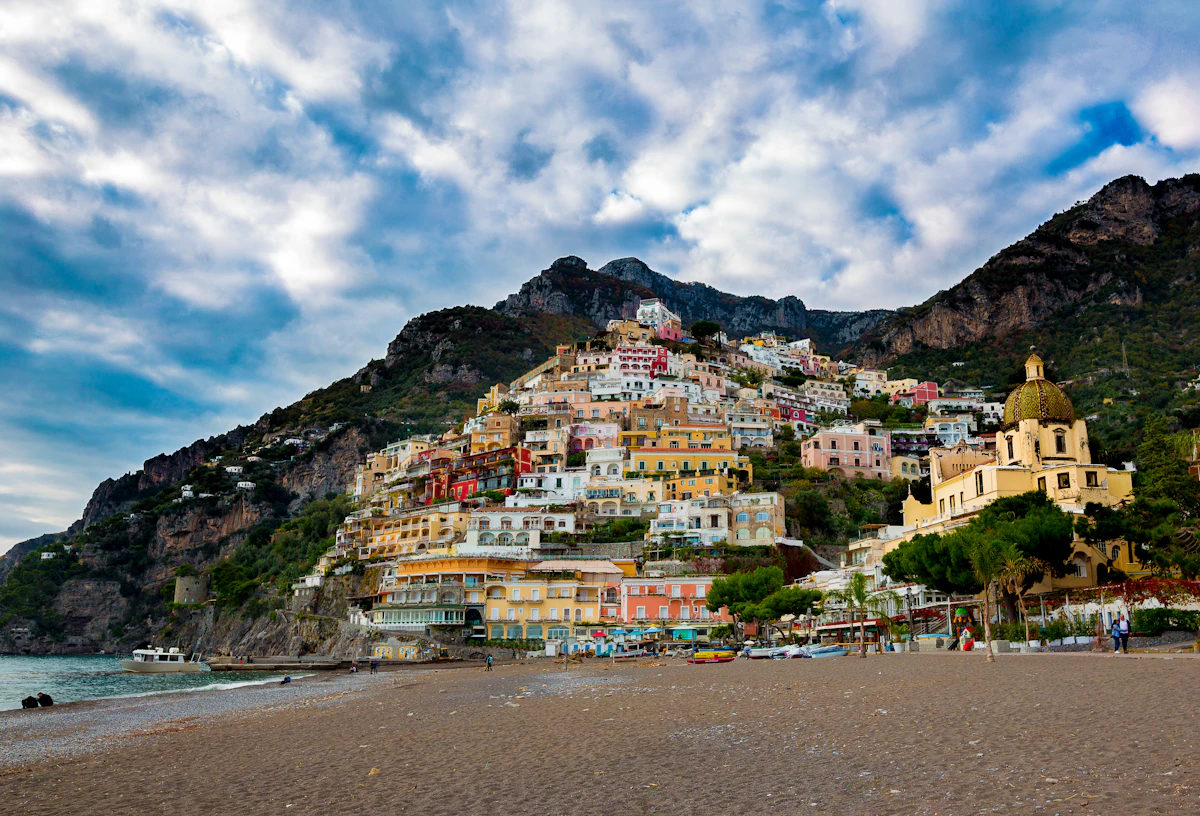
Arrive, drop your bag, and keep the first day local. Do not try to "win" the Amalfi Coast on arrival day. Positano is better when you stop forcing it and just let yourself settle into the vertical rhythm of the place.
Transport: If you are coming in via Sorrento, the budget leg is the SITA bus from Sorrento to Positano — roughly 50 minutes, currently 2.60 € for the single. The published 2026 schedule puts Sorrento to Positano at roughly 45–50 minutes depending on stop, while the seasonal NLG ferry is the smoother but more expensive option, with a €20.50 one-way adult fare. Buses can be delayed and crowded, especially with luggage, so I would choose based on your arrival energy and sea conditions, not ideology.
Approx. cost: €10–€20.50 for the final arrival leg into Positano, depending on bus versus ferry.
Approx. time: Plan this as a 4–6 hour arrival-and-settle day, not a sightseeing marathon.
What to bring: One small daypack, water, a light layer for evening breeze, and shoes you are willing to wear on stairs immediately.
Budget-friendly meal move: Keep it simple. Do a bar coffee, a takeaway panino, then a casual pizza or pasta away from the main beach strip. Day 1 is not the day for an expensive sea-view lunch.
Hostel check-in context: If you are arriving at Hostel Brikette for the first time, reception staff can give you the printed SITA bus timetable for the week and confirm the best routes for the days ahead. This saves meaningful time compared with piecing together transport from tourist boards or apps that lag behind seasonal timetable changes. Ask specifically about the bus to Amalfi for Day 2 or 3, since that is the one with the most timing variability in peak season.
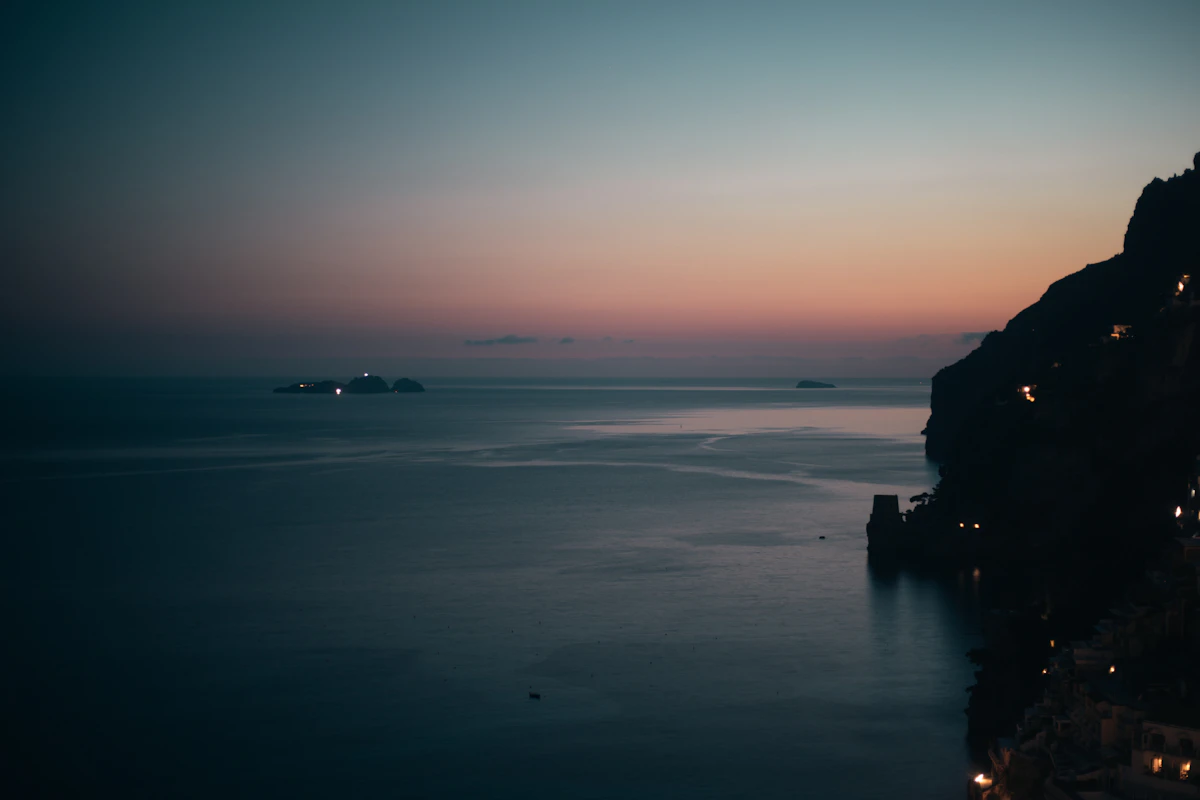
Day 2: Path of the Gods
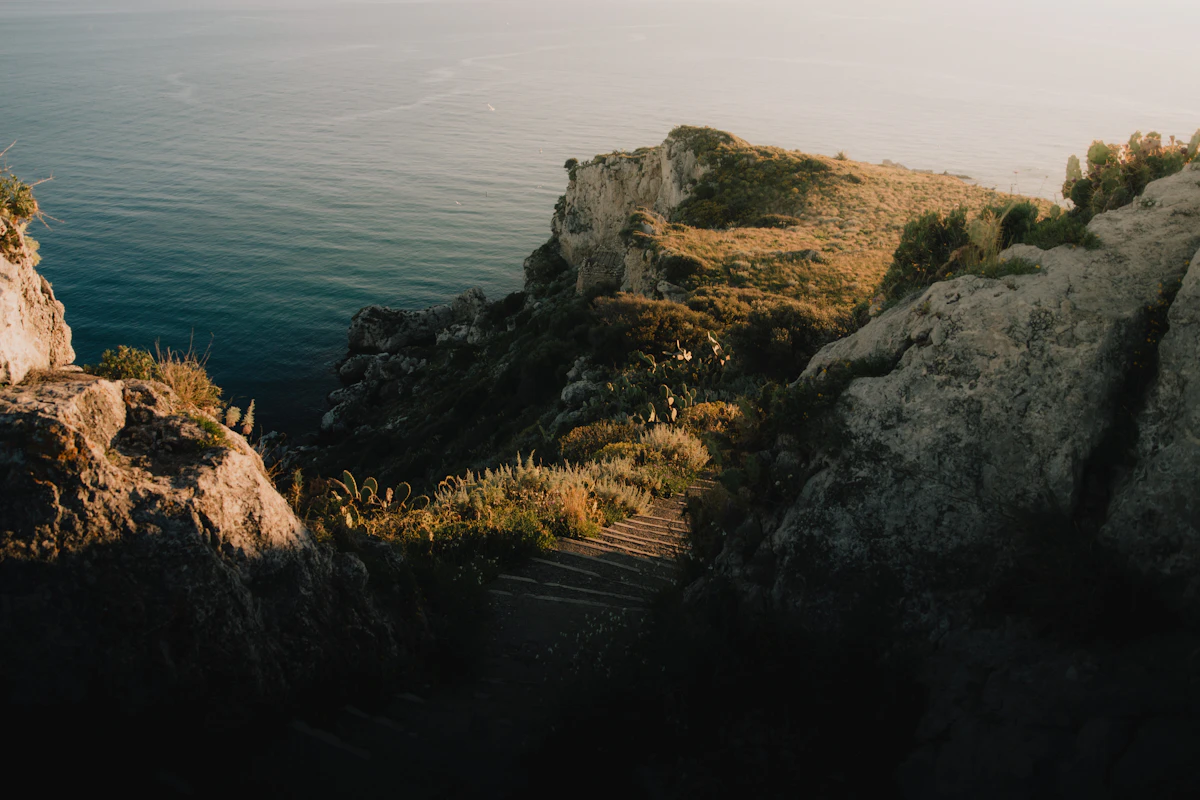
This is your big active day, and it is one of the best-value experiences on the entire coast. The smart version is to start in Bomerano and walk down toward Nocelle, because that is the lower, more popular route and mostly downhill.
Transport: From Positano, take the bus to Amalfi and then another SITA bus to Agerola/Bomerano. Reception at the hostel can confirm the exact bus departure times the morning you leave. Total public transport time from Positano to the trailhead is about 2 hours. The Path of the Gods bus route guide covers exact stop names and timings. The lower route runs about 7.8 km, takes around 3 hours, and ends in Nocelle, above Positano. If you continue all the way down on foot, expect roughly 1,500 steps into town.
Approx. cost: €10 if you use the COSTIERASITA pass for the bus legs.
Approx. time: 6–7 hours total including buses, the hike, stops, and the walk or bus down from Nocelle.
What to bring: Proper trainers or trail shoes, at least 1.5 litres of water, sunscreen, hat, and a snack. Do not treat this as a flip-flop walk.
Budget-friendly meal move: Grab a bakery breakfast before leaving, carry fruit or a sandwich for the trail, and save your sit-down dinner for back in Positano.
Trail condition check: The Path of the Gods can be partly closed after heavy rain or in winter. If you are doing this in spring, reception staff or the local SITA bus driver can usually confirm whether the lower Bomerano–Nocelle traverse is open. The Nocelle loop (out-and-back) is a useful fallback if conditions on the main traverse are uncertain — it is shorter (roughly 3–4 km), lower effort, and still gives you the cliff-top perspective.
Day 3: ferry to Amalfi and Ravello
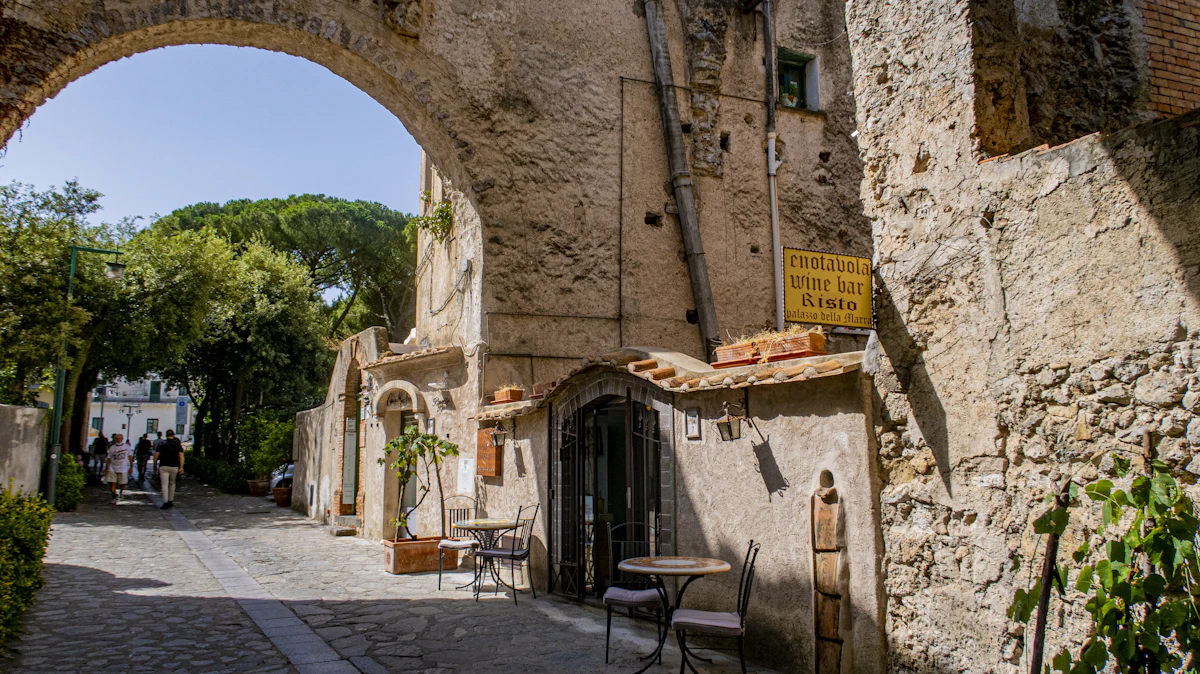
This is the cleanest culture-and-views day of the week. Amalfi is easy to walk; Ravello gives you the hilltop contrast. Doing ferry first, bus second keeps the day smoother.
Transport: Travelmar's 2026 fare sheet lists the Positano–Amalfi ferry at 10 € one way — see the Positano to Amalfi ferry guide for departure times and operator details, with the route taking about 25 minutes. From Amalfi, Ravello is a short uphill bus ride; local guidance says to allow about 20 minutes between Amalfi and Ravello. The budget version is: ferry out, bus up and down to Ravello, then bus back toward Positano using the day pass.
Approx. cost: €20–€30, depending on whether you return to Positano by bus or pay for another ferry.
Approx. time: 8–9 hours at an easy pace.
What to bring: Water, a light layer for the upper town, and a phone battery pack if you take photos a lot.
Budget-friendly meal move: Cheap lunch in Amalfi works better than Ravello for value. Think deli counter, slice pizza, or a panino, then just coffee or gelato in Ravello for the view.
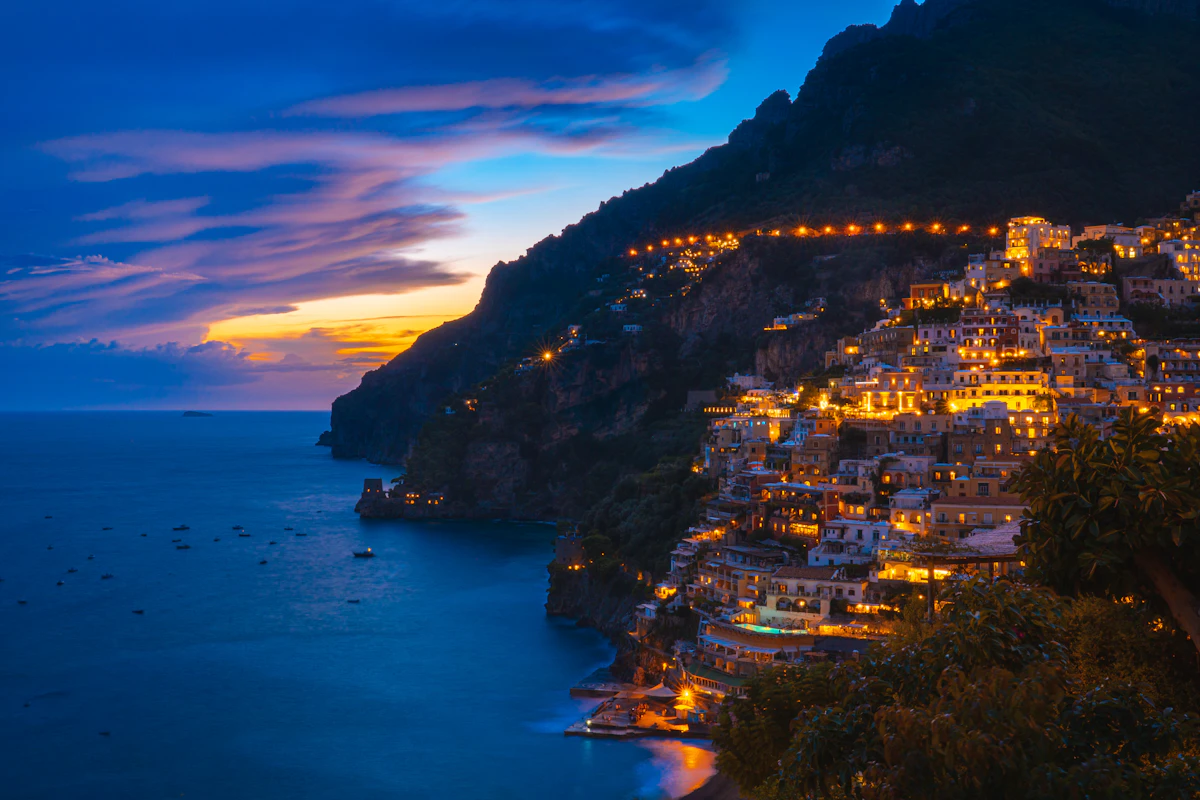
Day 4: beach day with Fornillo and Laurito
Do not underestimate the value of a slower day in a one-week Amalfi Coast budget trip. If every day is transit-heavy, the whole holiday starts to feel like logistics.
Transport: Fornillo beach is reachable by a scenic walk from central Positano. Laurito is smaller and can be reached by SITA bus; local guidance also notes seasonal small boat shuttle access. The cheapest version is to walk to Fornillo in the morning, then bus to Laurito only if you still want the second beach.
Approx. cost: €0–€10, depending on whether you stay on foot all day or use the bus pass. That assumes public beach space, not paid loungers.
Approx. time: 5–8 hours, fully flexible.
What to bring: Swimwear, towel, water shoes if you like them, sunscreen, and some cash.
Budget-friendly meal move: This is a picnic day. Buy fruit, bread, mozzarella, or a takeaway panino and avoid turning a beach reset into a €40 lunch.
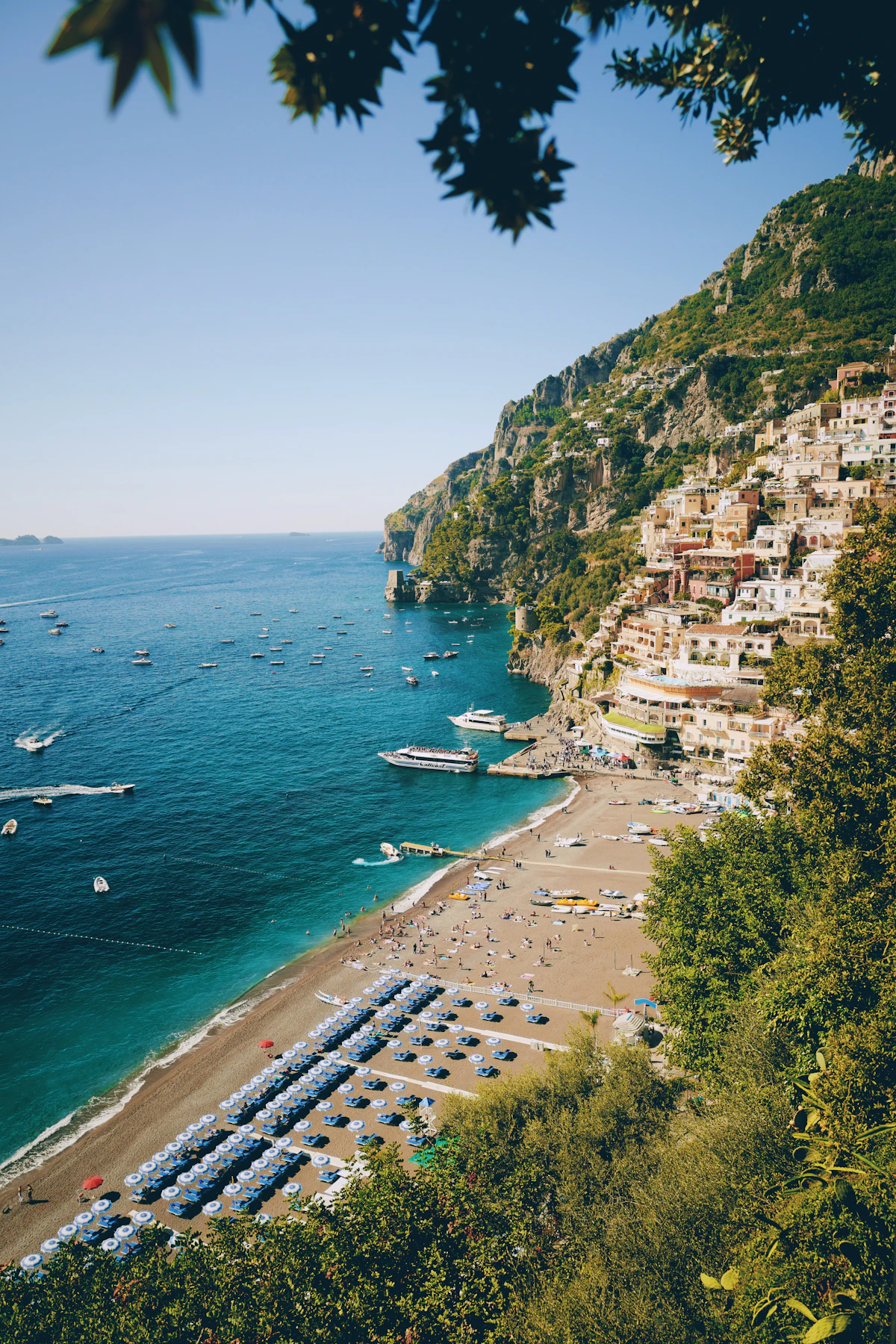
Crowd timing: Fornillo fills up by midday in July and August, especially on weekends. Arriving before 10:00 am gives you the best chance of free public beach space. The public section is marked by natural rock boundaries rather than sunbed rows — it is narrower than the full beach but workable for a morning swim. The full Positano beaches guide maps both Fornillo and Spiaggia Grande in terms of public vs paid zones.
Day 5: Capri on a budget
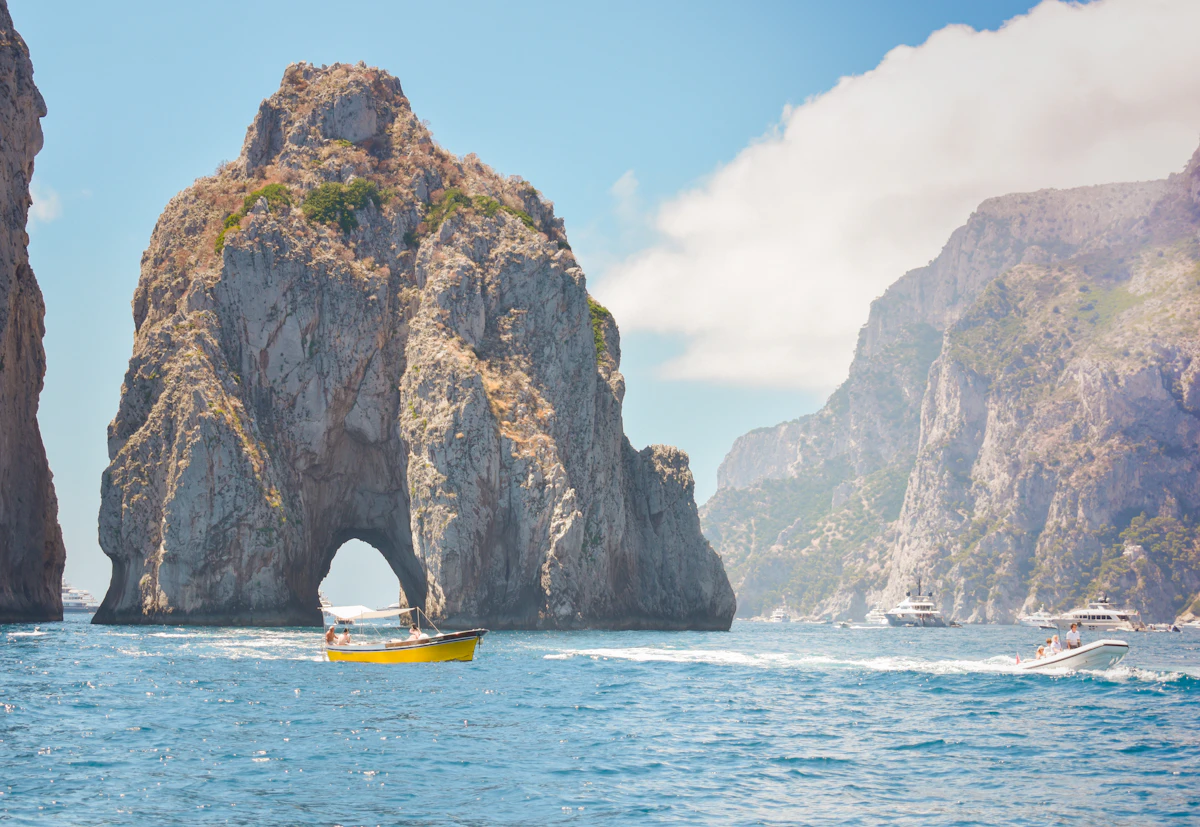
Capri is the splurge-shaped hole in many "budget" Amalfi Coast plans. It can still work, but only if you are disciplined. Skip the expensive greatest-hits checklist and pick one or two zones.
Transport: The Alicost Positano–Capri route runs from April 1 to November 3, 2026. The adult one-way fare is €23, and Capri adds a €5 landing contribution per person from April 1 to October 31. On the island, public bus and funicular tickets are €2.40 one way, or €2.90 if bought onboard at intermediate bus stops. Local Capri travel guidance puts the crossing from Positano at roughly 30–40 minutes.
Approx. cost: About €51–€60 for return ferry, landing fee, and one or two public transport rides on Capri. That does not include the Blue Grotto or a beach club.
Approx. time: 10–12 hours.
What to bring: Water, hat, sun protection, and patience. Capri is beautiful, but queue-heavy.
Budget-friendly meal move: Eat breakfast in Positano, then do one cheap standing lunch on Capri. On a budget, the rule is simple: pay for the island, not for luxury consumption on the island.
Day 6: Praiano and the east coast
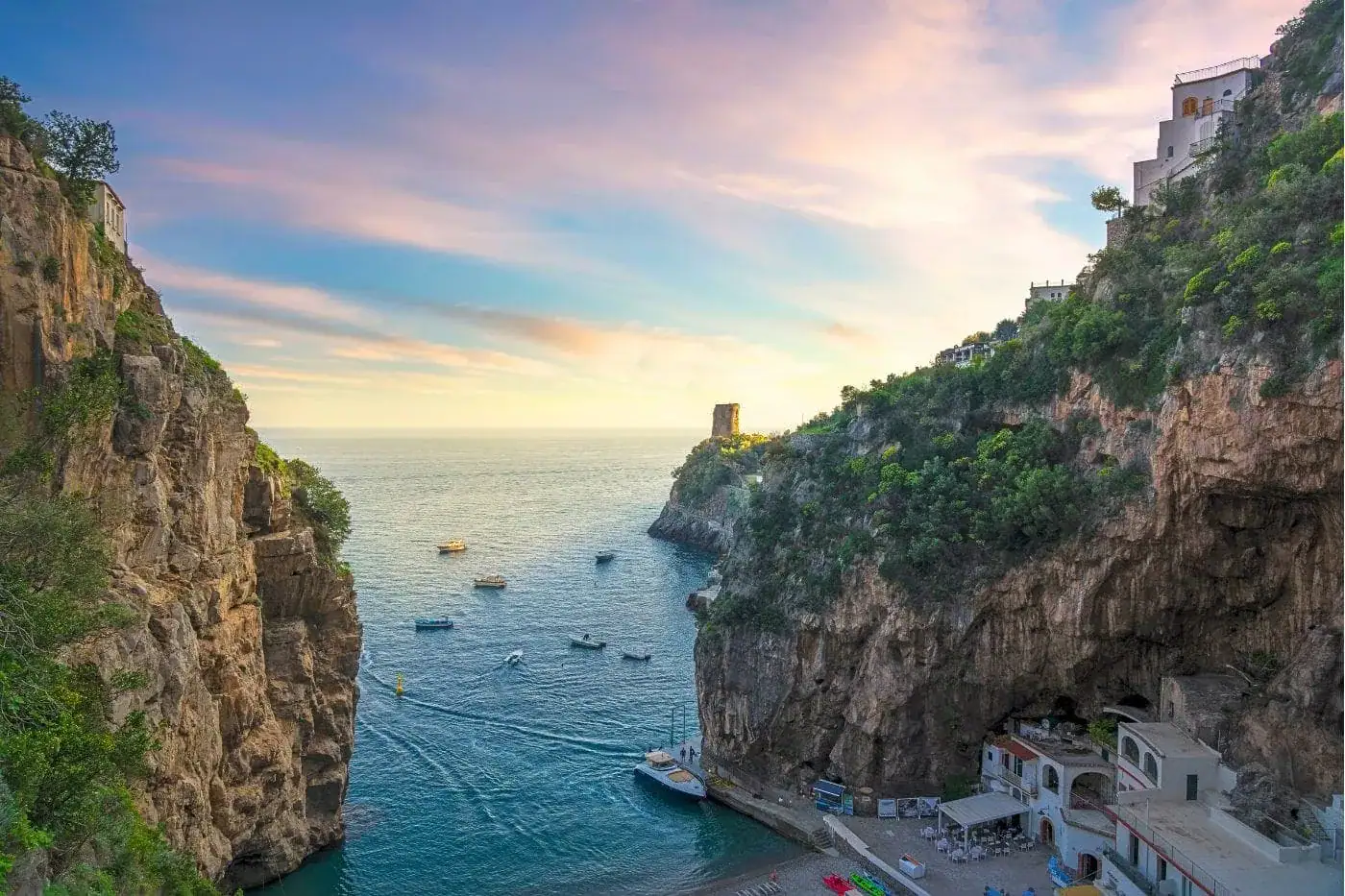
After five days of Positano, a hike, Amalfi, Ravello, beaches, and Capri, Day 6 is best spent exploring the quieter stretch of the coast that most visitors skip entirely. Praiano is one bus stop east of Positano and feels like a different world — fewer crowds, cheaper food, and some of the best sunset views on the entire coast.
Transport: SITA bus from Positano to Praiano takes about 10 minutes. From Praiano, continue east by bus to Minori or Maiori if you want the full east-coast contrast — smaller towns, wider beaches, and local prices instead of tourist-strip prices. The COSTIERASITA 10 € day pass covers all of it.
Approx. cost: €10 for the bus pass plus food. This is comfortably the cheapest day of the week.
Approx. time: 6–8 hours at a relaxed pace.
What to bring: Swimwear, towel, water, and cash for a cheap local lunch.
Budget-friendly meal move: Eat in Praiano or Minori — both are significantly cheaper than Positano for a sit-down meal. This is your day to have a proper lunch without wincing at the bill.
Morning option: Start with Marina di Praia — a dramatic cove tucked between cliffs with clear water and kayak rentals. Arrive before 11:00 for space. Then bus east to Minori for a cheap lunch and a wider, sandier beach that feels nothing like the Positano tourist strip. Maiori is one stop further and even quieter. The east-coast towns give you the local Amalfi Coast that the famous postcards never show — and on a no-car week, they are all just a bus ride away.
Day 7: sunrise walk plus departure
Your last day should be light. Get up early, walk before the town heats up, and leave with margin instead of creating a missed-connection story.
Transport: For a south/east exit, Travelmar Positano–Salerno ferry costs 17 € and about 70 minutes. If you are heading back north via Sorrento, the bus remains the cheapest option and the €10 SITA day pass still works, but allow slack because buses can run late or arrive already full.
Approx. cost: €0 locally, then €10–€17+ depending on your onward route.
Approx. time: 2–4 hours, including the walk and departure transfer start.
What to bring: Packed bag, water, and absolutely no fantasy that "one last swim" will help your timing.
Budget-friendly meal move: Coffee and cornetto, then a takeaway sandwich for the onward journey.
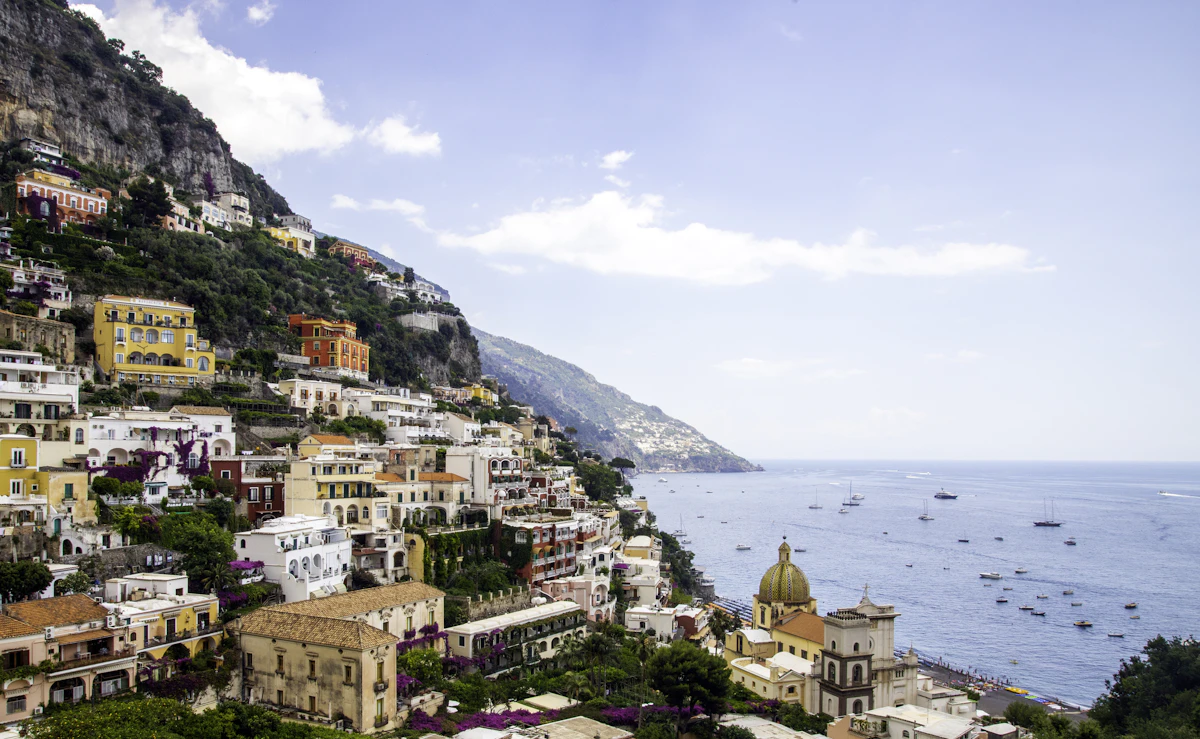
Does this full week really work without a car?
Yes — and for most visitors it works better than driving. A rental car on the Amalfi Coast means fighting for parking at €10+ per hour, navigating a narrow cliff road shared with tour coaches, dealing with ZTL restricted zones in every town centre, and paying for a vehicle that sits idle the moment you reach anywhere worth visiting. The places you actually want to be — the beaches, the piazzas, the cliff walks, the restaurants — are all pedestrian-only. A car gets you to the car park. Buses, ferries, and your feet get you to the actual experience.
The only honest case for a car is remote hill towns in winter when bus frequency drops and ferries stop running, or a group splitting a private transfer where door-to-door convenience clearly beats individual tickets. For a normal week focused on Positano, Amalfi, Ravello, Capri, and Naples, the public network already covers every day of this plan.
Total week transport cost on buses and ferries: roughly 113–182 € based on the fares above. That leaves room in the 260–430 € total budget for weather contingencies, an extra ferry, or one upgrade choice. Compare that with car rental plus fuel plus tolls plus €30–50 per day in parking — and the bus-and-ferry version is not just less stressful, it is cheaper.
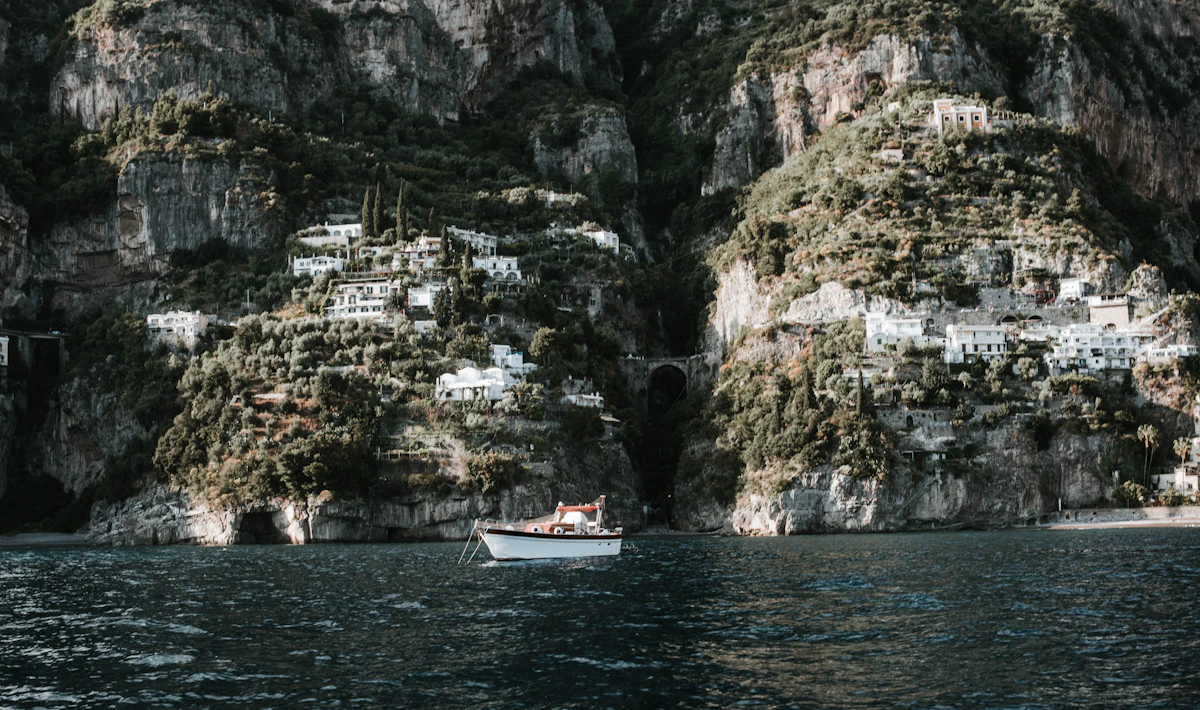
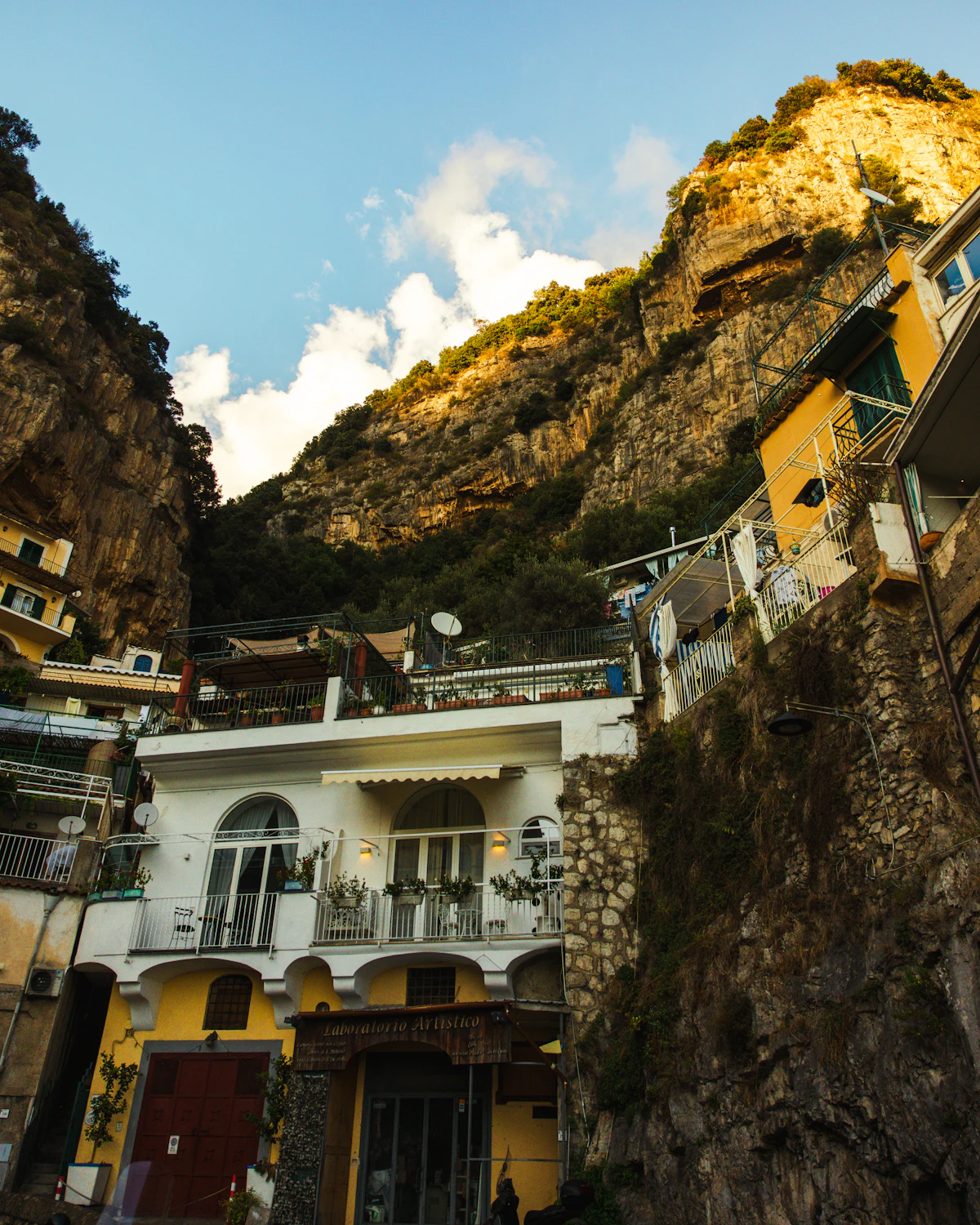
Where Hostel Brikette fits in
A no-car week in Positano gets significantly easier when your accommodation is close to the transport. Hostel Brikette is Positano's only hostel and sits about 100 m from the Chiesa Nuova SITA stop — the first bus stop in Positano, which means you board before the bus fills up rather than trying to squeeze on at the crowded centre stops further down. That single detail changes the rhythm of every transit morning in this itinerary.
From reception, staff print the current SITA timetable, confirm ferry schedules, and flag any weather or service disruptions for the days ahead. On a coast where apps lag behind seasonal changes and tourist kiosks give vague answers, that local briefing saves genuine time. If you are weighing Positano against Sorrento or Amalfi as a base, the base-town comparison runs through the full logistics.
What does this week actually cost?
We get asked this constantly at reception, and the honest answer depends on how you eat and which days you pay for ferries. Here is the transport breakdown for this exact 7-day plan from our door: Day 1 arrival leg: 2.60–20.50 €. Day 2 Path of the Gods bus pass: 10 €. Day 3 Amalfi ferry + bus pass: 20–30 €. Day 4 beach day: 0–10 €. Day 5 Capri return: 51–60 €. Day 6 Praiano and east coast bus pass: 10 €. Day 7 departure leg: 10–17 €. Total transport across the week: roughly 103–157 €.
On top of that, budget roughly €15–25 per day for food if you eat simply — bakery breakfasts, takeaway panini for lunch, and one proper sit-down meal in the evening away from the main beach strip. That puts a disciplined week at roughly €210–330 excluding accommodation.
For the bed itself: our rates vary by date and room type, and shoulder season is always kinder to budgets than July and August. Book early for the best prices — we are the only hostel in Positano, and dorm beds go fast in peak season. On a realistic total, a one-week Amalfi Coast trip from the hostel sits around €750–€1,100 in shoulder season, with peak summer pushing higher.
For context on how that compares to other destinations, Positano vs other destinations and the Positano cost breakdown put the numbers in a wider frame. The Amalfi Coast is not the cheapest week in Europe, but it is a manageable one on a hostel budget — especially if you treat buses as the default, Capri as the one splurge day, and the rest as cheap local exploration.
Tips
- Buy the 10 € COSTIERASITA 24-hour bus pass on any transit-heavy day — it pays off in two SITA rides.
- Alternate big transit days with local beach or walk days. Days 1, 4, and 7 are low-transit by design — keep them that way.
- Book the Alicost Capri ferry in advance in peak season. It sells out, and rerouting via Sorrento adds about 1–2 hours each way.
- Leave margin on departure day. Buses on the Amalfi Coast can run 10–20 minutes late or arrive already full. Don't schedule tight connections.
- The hostel reception keeps a current SITA timetable. Ask the morning before a big transit day — it's more reliable than anything at a tourist kiosk.
FAQs
Can you do the Amalfi Coast in a week without a car?
Yes — and most visitors find it is actually the better way to do the coast. A car means parking stress, traffic on a narrow cliff road, and a vehicle you cannot use in the pedestrian-only town centres. Buses and ferries cover every day of this itinerary, and a one-base strategy in Positano keeps the week simple. The formula: buses for cheap inland moves, ferries for the scenic heavy days, and slack built in so a late bus does not wreck the plan.
What is the best order to visit the Amalfi Coast in a week?
For a Positano base, the cleanest order is: Day 1 Positano, Day 2 Path of the Gods, Day 3 Amalfi and Ravello, Day 4 beach reset, Day 5 Capri, Day 6 Praiano and east coast, Day 7 sunrise and departure. It alternates harder transit days with lighter local days, which is why it is more realistic than stacking ferries back to back.
What does a week on the Amalfi Coast cost on a budget?
For this itinerary, think roughly €210–€330 excluding accommodation, or around €750–€1,100 including a hostel dorm in Positano during shoulder season. Peak summer pushes higher — dates, ferry choices, and how often you eat at sit-down restaurants are the main variables.
Is Positano realistic without taxis?
Yes, but only if you accept the tradeoff: lots of stairs, crowded buses in peak periods, and a few moments where paying for a ferry is worth it just to reduce friction. Positano is doable without taxis; it just is not effortless.
What is the best base for a car-free week on the Amalfi Coast?
Positano is the strongest base for a no-car week. It sits about 100 m from the SITA bus stop, has direct Travelmar ferry connections to Amalfi (10 €), Salerno (17 €), and Capri (23 €), and gives you easy access to the Path of the Gods trailhead bus at Amalfi. Positano vs Sorrento vs Amalfi as a base runs through the logistics comparison if you are weighing other options.
How do you get around the Amalfi Coast without a car on a budget?
The 10 € COSTIERASITA 24-hour bus pass is the budget backbone. It covers unlimited SITA bus rides across the Positano–Amalfi–Ravello–Sorrento–Salerno network for the day. A single Positano–Amalfi SITA ticket costs 2.60 €; a single Positano–Sorrento costs about 2.60 €. For ferry days, Travelmar's public Positano–Amalfi route is 10 € one way — worth it on the big sightseeing days to skip the switchback bus. Full Amalfi Coast transport costs has the current fare table.